
Indonesia-US trade agreement: Beijing's strategic silence
Indonesia-US trade agreement Beijing's strategic - The new trade agreement reached between Indonesia and the United States has sparked widespread discussions at regional and global levels. Although China's Ministry of Foreign Affairs issued a standard statement emphasizing that this agreement "should not harm any third party," some analysts warned about the possibility of China taking economic countermeasures.
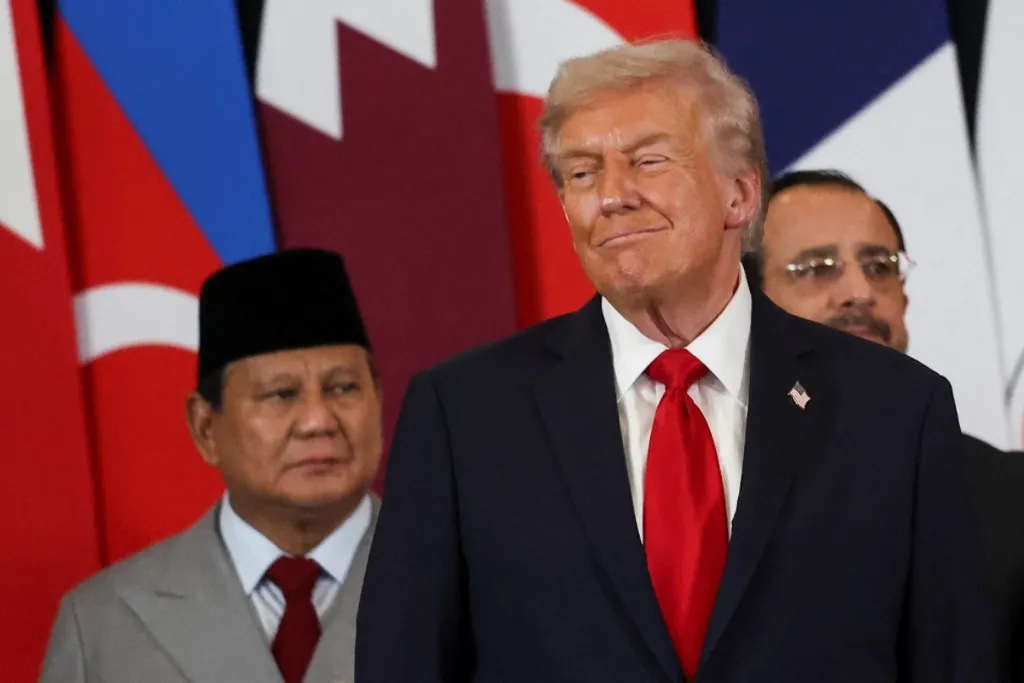
However, delving into the depths of geopolitical economy, it becomes clear that this approach does not accurately reflect either China's intentions or the current dynamics. Contrary to expectations, China is not preparing any retaliatory measures against Indonesia.
Analysts explain Beijing's more restrained stance on this issue by China's strong economic ties with Indonesia and its strategic interests in the region. Indonesia is a significant trading partner and investment destination for China in Southeast Asia. Disrupting these relations could lead to serious economic and political consequences for Beijing.
Furthermore, China seeks to maintain and expand its influence among ASEAN countries. Any aggressive move against Indonesia could alienate other states in the region from China, thereby increasing US influence, which contradicts Beijing's strategic goals.
While Beijing closely monitors US attempts to increase its influence in the region, it prioritizes maintaining its bilateral relations with Indonesia. China's position on this issue demonstrates a more nuanced and pragmatic foreign policy strategy, unlike the Cold War era's "either with us or with them" approach.
In this context, instead of directly reacting to Indonesia's trade agreement with the US, China is expected to prefer alternative strategies such as supporting regional integration and strengthening its economic influence through other means. This approach better serves China's long-term interests in regional stability and economic development.
Reader comments
There are no comments yet. Be the first to comment.
Write a comment