
Brain Exercises Reduce Dementia Risk by a Quarter: New Research Sheds Light
Mental exercises reduce dementia risk by 25 - The latest scientific research proves that regular exercise of the brain and increased mental activity can significantly lower the probability of developing dementia. Research conducted in this direction, especially, opens new perspectives for the prevention of this widespread disease among older people.
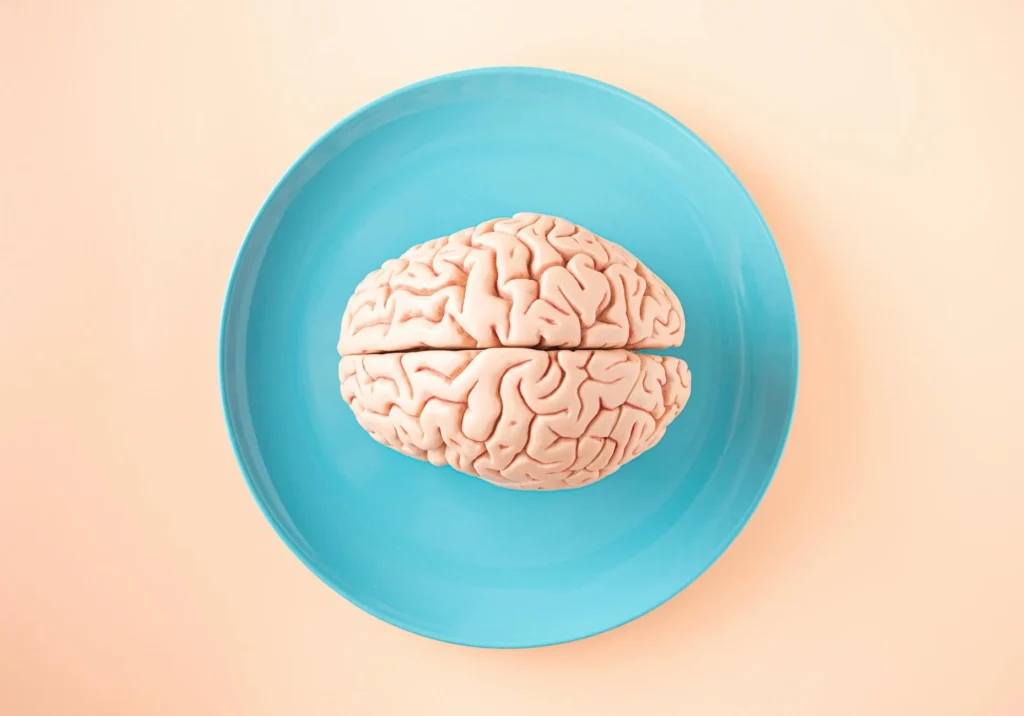
According to experts, maintaining and developing mental agility can reduce the risk of developing Alzheimer's disease by up to 25 percent, or by a quarter. This fact once again confirms the importance of keeping the brain constantly active, acquiring new knowledge, and engaging in intellectual pursuits.
Five main principles have been identified to protect brain health and minimize the risk of dementia. These are physical activity, balanced nutrition, social relationships, quality sleep, and mental stimulation. Each of these principles supports the brain's functional capabilities, ensuring its long-term health.
A study conducted by the German Center for Neurodegenerative Diseases (DZNE) has revealed that one out of every three dementia cases could be prevented. This result clearly demonstrates how important a role lifestyle choices and preventive measures play in the onset and development of the disease.
Against the backdrop of recent failures in the treatment of Alzheimer's disease, the prevention of the disease has gained even greater importance. Researchers and medical professionals call for special attention to early intervention and lifestyle changes with the aim of slowing down or completely preventing the progression of the disease.
The results of these studies emphasize the necessity for each individual to take active steps to protect their brain health. Activities such as playing mental games, learning new languages, reading books, or playing a musical instrument can help keep the brain young and healthy.
Reader comments
There are no comments yet. Be the first to comment.
Write a comment