
Tension Rises in the Middle East: ISIS, Iran's Threat, and New Regional Cooperations
The situation in the Middle East is becoming more complex with ISIS - The Middle East region has always been at the center of the world's agenda. Recently, the political and security situation in the region has further intensified. The activity of terrorist groups, intensified competition among regional states, and new manifestations of old conflicts are seriously undermining stability in the region.
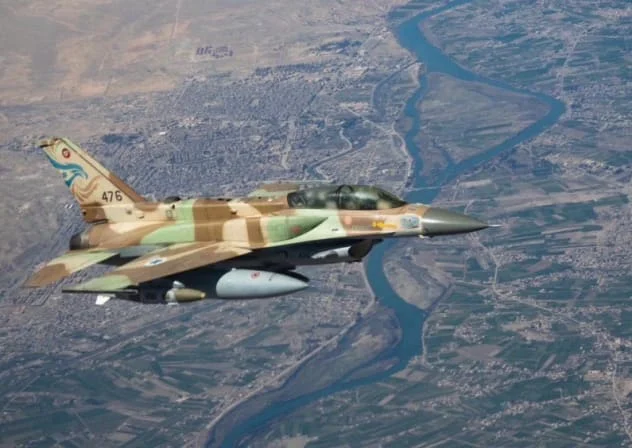
The activities of the ISIS terrorist organization in the region have not yet been completely stopped. These groups, operating covertly in some areas, periodically increase the international community's concern with the terrorist acts they commit. This situation once again demonstrates how important the joint action of regional countries is in the fight against ISIS.
Concerns regarding Iran's regional influence and nuclear program also hold a significant place on the Middle East's security agenda. Tehran's support for various groups in the region and the development of its ballistic missile program are considered a threat by many states. This situation further increases tension, especially between Gulf countries and Israel.
The Palestinian problem remains an unhealed wound of the region. The deadlock in peace talks between Palestinians and Israel, and the worsening situation in the Gaza Strip and the West Bank, pave the way for new conflicts. Although the international community's attempts to find a comprehensive solution to this issue continue, the results achieved are limited.
On the other hand, the normalization of diplomatic relations between Israel and some Arab countries opens new horizons for cooperation in the region. These agreements, known as the "Abraham Accords," promise new opportunities for regional security and economic development, but are considered controversial by some circles.
This complex dynamic promises both threats and new opportunities for the future of the Middle East. For regional states, combating terrorism, deepening regional security dialogue, and expanding economic cooperation remain key priorities. The role of international actors in these processes is also of decisive importance.
Reader comments
There are no comments yet. Be the first to comment.
Write a comment