
War in the Middle East Hit Pakistan's Economy: Government Announced Strict Austerity Measures
Middle East War Shakes Pakistan - Middle East war rocked Pakistan - The ongoing tension and economic consequences of the military conflict in the Middle East have also severely affected Pakistan. The country's Prime Minister, Shehbaz Sharif, announced a series of strict austerity measures to alleviate the difficulties caused by the conflict in the region.
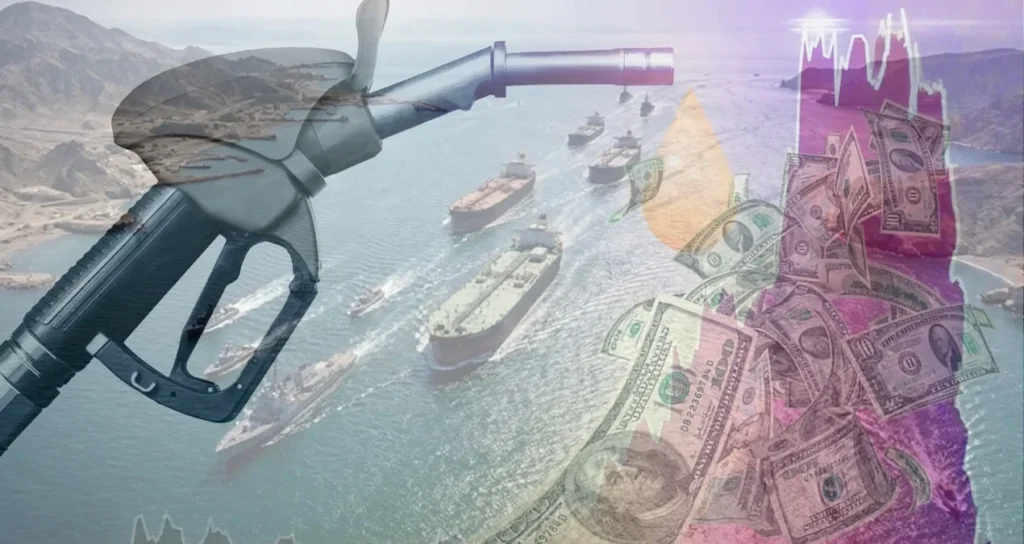
The ongoing tension between the US, Israel, and Iran, changes in global energy prices, and disruptions in supply chains are creating additional pressures on Pakistan's economy. This situation has further exacerbated the already fragile Pakistani economy.
According to Prime Minister Sharif's statement, government expenditures will be strictly controlled, wastefulness in state institutions will be prevented, and measures will be taken to reduce energy consumption. Furthermore, the protection of foreign exchange reserves is envisioned through the restriction of non-essential imports.
These measures are considered vital to ensure the country's macroeconomic stability and protect citizens from the economic burden of the war. The government noted that it relies on the public's support during this difficult phase.
Pakistan has long been facing economic challenges such as high inflation, an energy crisis, and currency shortages. The war in the Middle East has further exacerbated these problems, prompting the country's leadership to take stricter steps.
Analysts note that while these austerity measures may bring some short-term relief, more fundamental structural reforms are necessary for long-term solutions. Pakistan's cooperation with international financial institutions will also play a significant role in this process.
Reader comments
There are no comments yet. Be the first to comment.
Write a comment