
Middle East Tensions: A Testing Period for European Airlines – New Routes and Economic Pressures
Middle East crisis forces European airlines - The escalating tensions in the Middle East region are significantly impacting the global aviation sector. In this situation, European airlines are facing both unexpected obstacles and some new opportunities. Events in the region are leading to fluctuations in fuel prices, re-planning of flight paths, and instability in passenger demand.
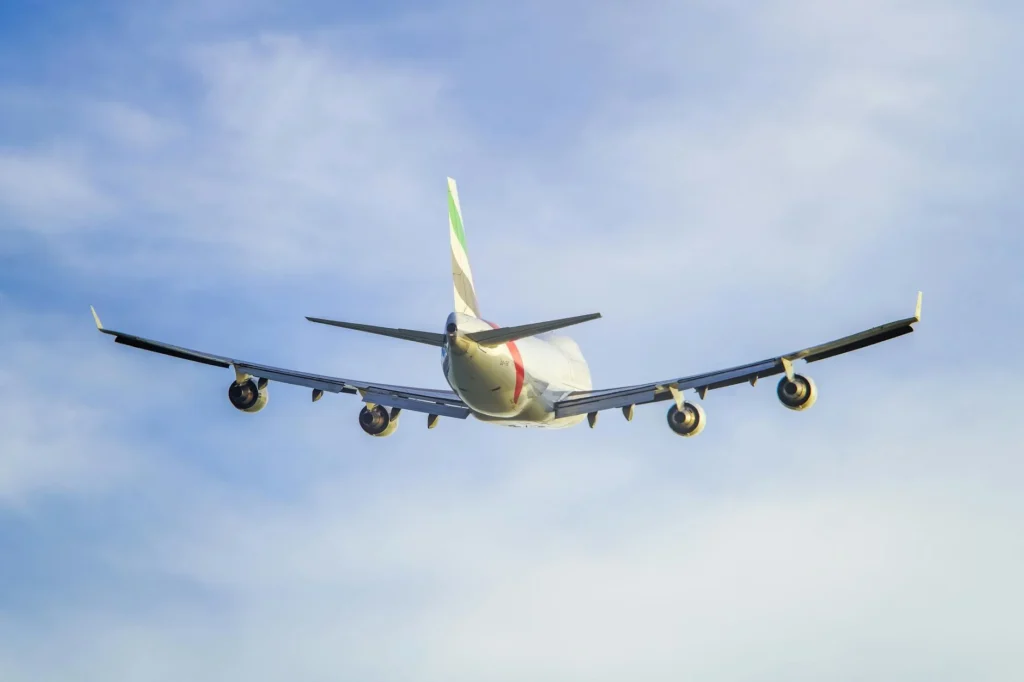
One of the main impacts is the sharp surge in oil prices. This increase significantly raises the operating costs for airlines. For example, a decrease in the value of shares has been observed for major companies like "Lufthansa" and "TUI". The depreciation of shares creates concern among investors and brings questions about the financial stability of the sector to the forefront.
The tension also leads to the alteration or complete cancellation of some flight paths due to security considerations. For instance, new obstacles are emerging for passengers wishing to travel to the Asian continent, especially to cities like Bangkok. The search for safer alternative routes for long-haul flights requires additional time and fuel consumption.
However, this situation also opens up certain opportunities for some European airlines. The closure of some routes in the region or security concerns have led passengers to turn to alternative carriers, causing European companies to note an increase in demand in certain directions. This increase can be observed particularly for regional flights or other reliable routes.
Sector analysts particularly emphasize the uncertainty of the current situation. Future changes in oil prices, the direction of geopolitical tension, and the psychological reaction of passengers will directly affect airline profitability. Therefore, companies are forced to review their strategies to control costs and flexibly manage their flight networks.
In summary, the European aviation sector is going through a difficult phase amidst the tensions in the Middle East. On one hand, there are serious challenges such as increased costs and route restrictions, while on the other hand, new demand and strategic advantages may arise in some markets. This situation demands high flexibility and adaptability from airlines.
Reader comments
There are no comments yet. Be the first to comment.
Write a comment