
Prime Minister Takaichi Approved Japan's Budget: No Decision on Sending a Fleet to Hormuz
Japanese Prime Minister Takaichi Approved - Japanese Prime Minister Takaichi and the budget - Japanese Prime Minister Sanae Takaichi has achieved a significant political success for her government by managing to pass the budget bill for the 2026 fiscal year through the House of Representatives. Although this vote, held on Friday, strengthened Takaichi's political position within the country, it is considered the beginning of a more difficult struggle in the upper house for the full approval of the budget.
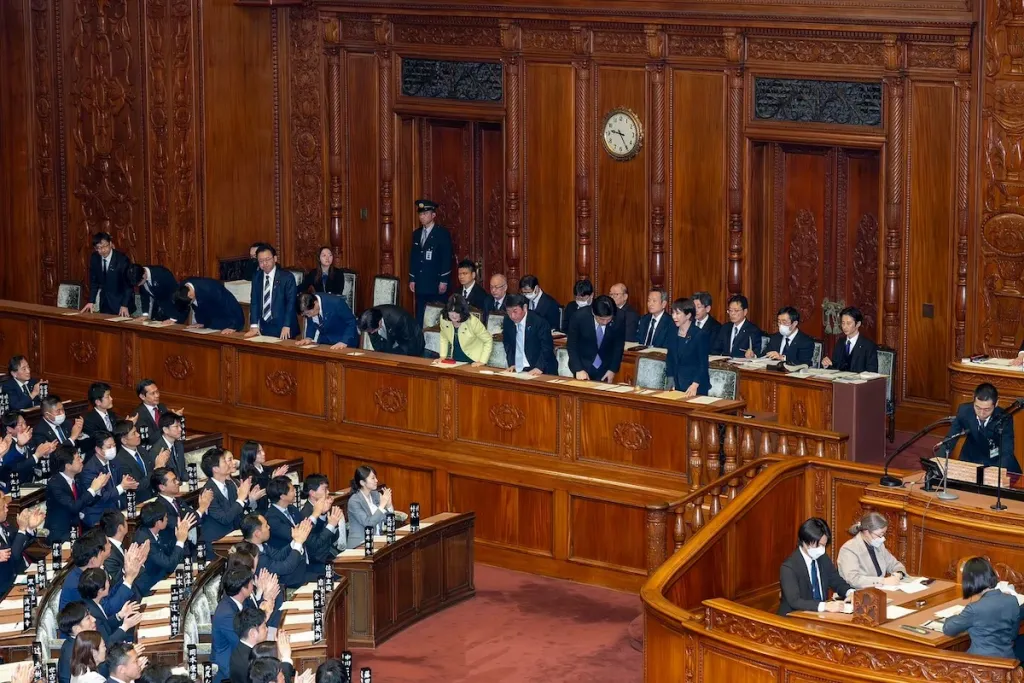
The passage of the budget bill through the House of Representatives, despite strong resistance from opposition parties, once again demonstrated the determination of the Takaichi government. However, the government's lack of a majority in the upper house could prolong the approval process for the bill. Opposition parties plan to exert political pressure on the Prime Minister by delaying the budget's adoption, although they will not be able to halt the bill indefinitely.
At a time of such political tension, it has been officially stated that no decision has yet been made regarding the deployment of the Japanese fleet to the Strait of Hormuz. Although regional security and the protection of international maritime trade routes are of vital importance to Japan, the government emphasizes that it is conducting extensive discussions before taking any steps in this direction.
The Strait of Hormuz is considered one of the most strategic routes for global oil trade, and a decision to send military forces to this region would be a move that would cause serious international repercussions. The Japanese government is acting with extreme caution on this sensitive issue, carefully evaluating diplomatic and political tensions.
The Takaichi government will intensify its diplomatic efforts to overcome the difficulties arising in the upper house regarding the budget's approval. The Prime Minister's political career and the country's economic stability largely depend on the timely adoption of this budget.
These maneuvers by the opposition test Takaichi's leadership skills and provide an opportunity for her to demonstrate the strength of her political will. Consequently, tense and decisive moments may be experienced in Japanese politics in the coming days.
Reader comments
There are no comments yet. Be the first to comment.
Write a comment