
Trump's Iran Policy and the Heavy Burden on the Economy: The Churchill Dilemma
Trump's Iran Policy Puts the - Trump's Iran policy puts a heavy burden on the economy - The policy pursued by former President of the United States Donald Trump regarding Iran and its potential effects on the economy constitute one of the main topics of discussion in the international arena. During his presidency, Trump repeatedly spoke with pride about low fuel prices. For example, two weeks before Operation "Epic Fury," while speaking in Congress, he emphasized that gasoline prices were "below $2.30 in most states." This was one of his main arguments in his midterm election campaign, as voters could directly feel this point even without deeply understanding it.
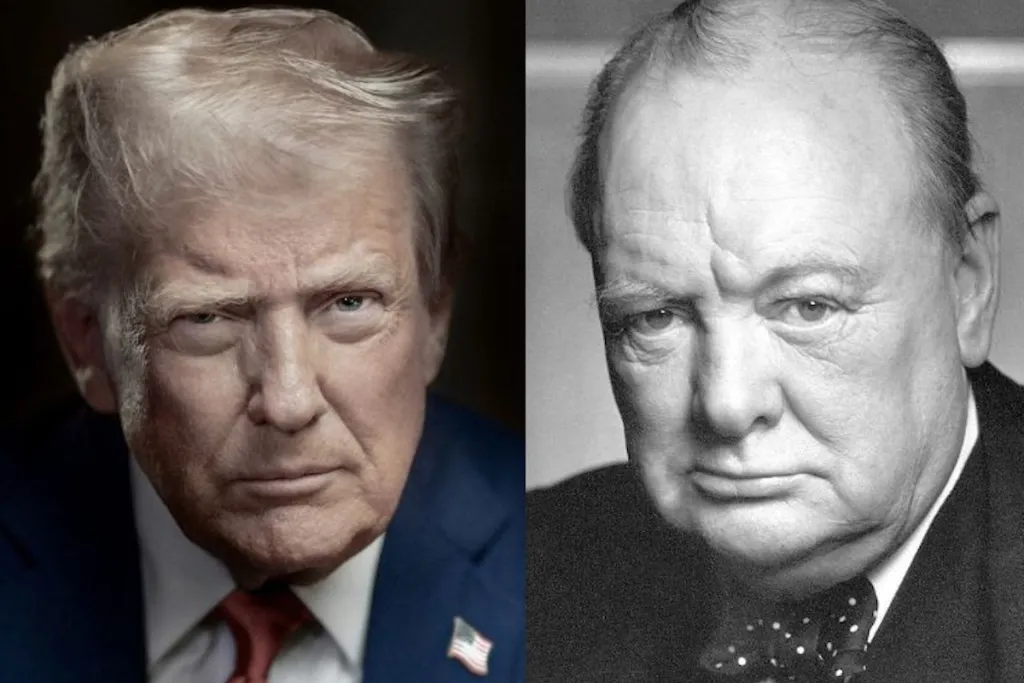
However, the economic consequences of any potential conflict or escalation of tension with Iran could completely contradict Trump's promises. If such a scenario were to materialize, gasoline prices within the country would rapidly increase to $3.70 and continue to rise. At the same time, the price of oil in the world market would exceed the $100 threshold, causing serious concerns in global markets.
This situation brings to light a dilemma known as Trump's "Churchill problem." During World War II, Winston Churchill, while leading his country to victory, promised his people "blood, toil, tears, and sweat." Trump, on the other hand, while offering prosperity and low prices to his voters, seems not to have taken into account the economic burden that a potential conflict with Iran would bring.
The sharp increase in fuel prices directly affects consumers' budgets and also increases inflationary pressures in the economy. This situation concerns not only car drivers but also all industrial sectors due to rising transportation costs. High oil prices lead to disruptions in global supply chains, negatively affecting the overall stability of the world economy.
Consequently, the potential consequences of Trump's policy regarding Iran openly contradict his previous economic promises. The low prices that voters previously felt could be replaced by the harsh economic realities brought about by conflict. This is a clear example demonstrating how any leader's foreign policy decisions affect the country's domestic economy.
Reader comments
There are no comments yet. Be the first to comment.
Write a comment