
Revolution in Early Diagnosis of Alzheimer's: New Blood Marker Also Detects Heart and Kidney Diseases
A new era in medicine New blood - A significant achievement has been made in the timely detection of Alzheimer's disease. Scientists have discovered that a blood marker called pTau identifies the risk of Alzheimer's at a very early stage. This finding opens new avenues for halting the disease's progression and implementing effective treatment methods.
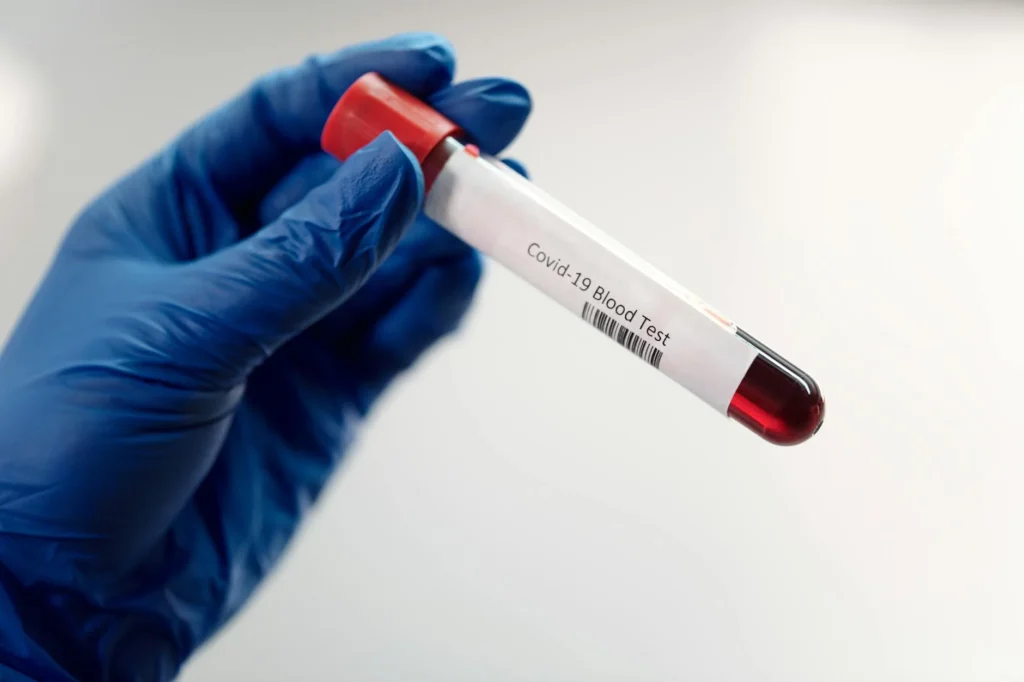
This blood test can detect the presence of Alzheimer's even in its earliest stages, long before symptoms appear. This completely changes the approach to Alzheimer's, as previously diagnosis was primarily based on symptom observation and more invasive examinations.
One of the most striking results of the study is that the pTau blood marker is not solely associated with Alzheimer's. It has been found that this marker can also indicate the presence or risk of developing heart and kidney diseases. This confirms the ability of a single marker to provide information about several serious health problems.
This discovery promises great opportunities for understanding ways to predict and reduce the risk of dementia. Thanks to timely detection, doctors can intervene earlier with patients, recommend lifestyle changes, or initiate treatments that can slow the progression of the disease.
Experts predict that this new blood test will be widely applied in the future and will become one of the main tools in managing Alzheimer's, as well as other related diseases. This is a breakthrough that promises great hope for both patients and their families.
Reader comments
There are no comments yet. Be the first to comment.
Write a comment