
Taliban's Dual Policy: Rapprochement with India, Tensions with Pakistan
Contradictions in Taliban's foreign policy with India - A new wave of violence is observed in the disputed Durand Line region separating Afghanistan and Pakistan. This situation pits Pakistani forces against the Kabul government, seriously threatening the already fragile stability of the region.
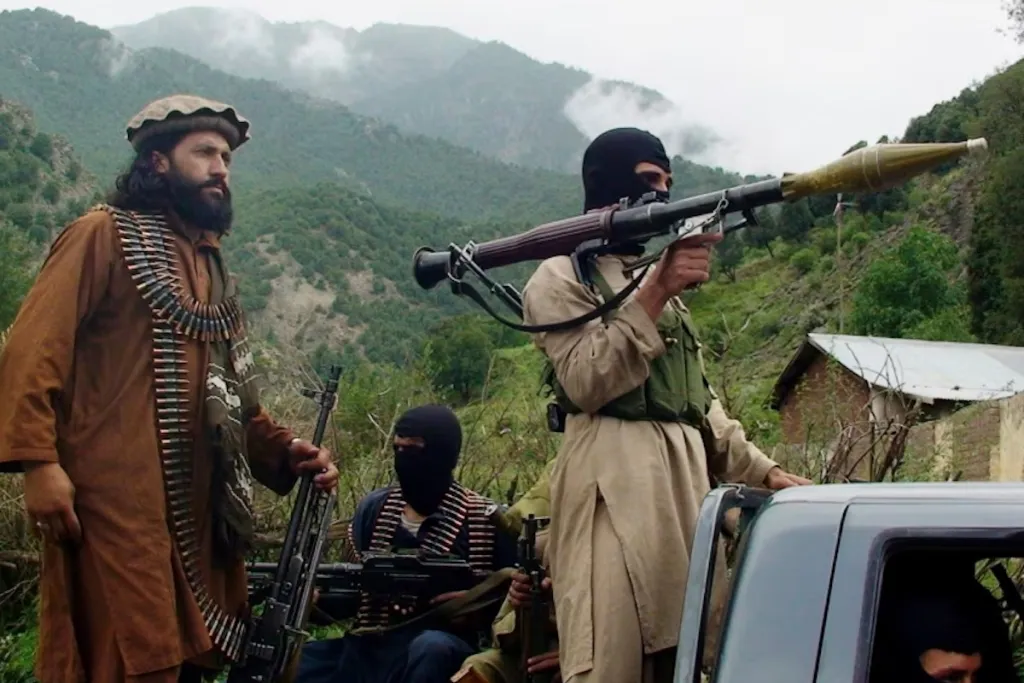
Recent events in the region clearly demonstrate the Taliban's multifaceted foreign policy: on one hand, it strives to develop relations with India, while on the other, it experiences strategic contradictions with Pakistan. Such a dual stance is at the center of international attention.
Tensions began on February 21 with Pakistani airstrikes on alleged militant camps located in eastern Afghanistan. These attacks escalated into a widening and ongoing conflict, with the Taliban responding with countermeasures.
The Pakistani side claims that Afghan territory is being used by anti-Pakistan terrorist groups. Kabul, however, vehemently rejects these claims, stating that its sovereignty has been violated and increasing its military presence in the border region.
Against the backdrop of this conflict, the Taliban's attempts to establish diplomatic and economic ties with India draw particular attention. This move is considered a significant strategic step that could alter the balance of power in the region and causes serious concern for Pakistan.
The Taliban's dual approach reflects its attempt to balance its regional interests. On one hand, it demonstrates a firm stance on internal security and border issues, while on the other, it seeks to gain international legitimacy and economic support.
Ongoing clashes along the disputed Durand Line further threaten the region's already fragile stability and cause serious concern in the international community. The future development of the situation is of great importance for the fate of the region.
Reader comments
There are no comments yet. Be the first to comment.
Write a comment