
Taliban's Ban on Women's Education Becomes Permanent: International Reactions Intensify
Taliban declared a permanent ban - Taliban permanently bans women's education - The Taliban's declaration of a permanent ban on women's education in Afghanistan has caused widespread dissatisfaction in the international community. This step has further deepened existing concerns regarding women's rights and freedoms in the country.
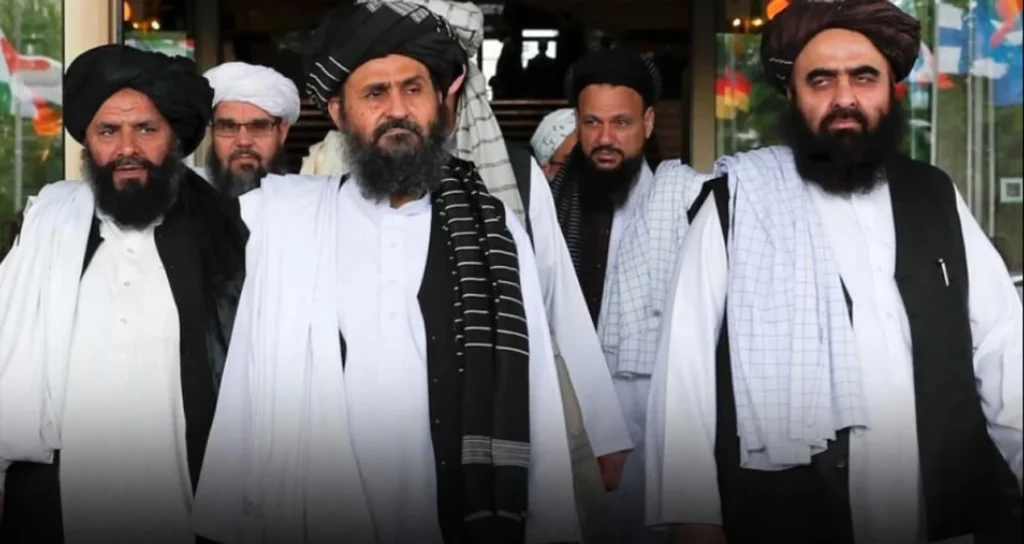
After seizing control of Afghanistan in 2021, the Taliban banned girls from attending secondary and higher education institutions. This ban, initially stated to be temporary, is now permanent, reaffirming the intention to restrict women's position in society.
The United Nations (UN), the European Union, and several states have strongly condemned this decision. They have called on the Taliban to adhere to its international obligations and restore women's right to education.
International organizations emphasize that education is a vital condition for women's development and the overall well-being of society, stating that this ban will have serious consequences for Afghanistan's future. Depriving women of education will negatively impact the country's social and economic progress.
Humanitarian aid organizations and human rights defenders also note that this decision will have tragic consequences for Afghan women. They stress that isolating women from society will further exacerbate psychological and social problems.
Although Taliban officials claim the ban is in line with "Islamic values," this view is firmly rejected by international Islamic scholars. It is a widely accepted understanding that Islam grants women the right to education.
International pressure on the Taliban is expected to increase. This decision could further deepen Afghanistan's international isolation and lead to a reconsideration of the conditions for humanitarian aid provided to the country.
Reader comments
There are no comments yet. Be the first to comment.
Write a comment