
If Artificial Intelligence Becomes a Weapon: The Importance of Regulation and Our Future
The Weaponization of Artificial Intelligence and the Inevitability of Regulation - The disagreement between the US Department of War and the advanced artificial intelligence (AI) company Anthropic is of great importance for our future. This dispute raises serious questions about the place of artificial intelligence in society and brings its potential risks into focus.
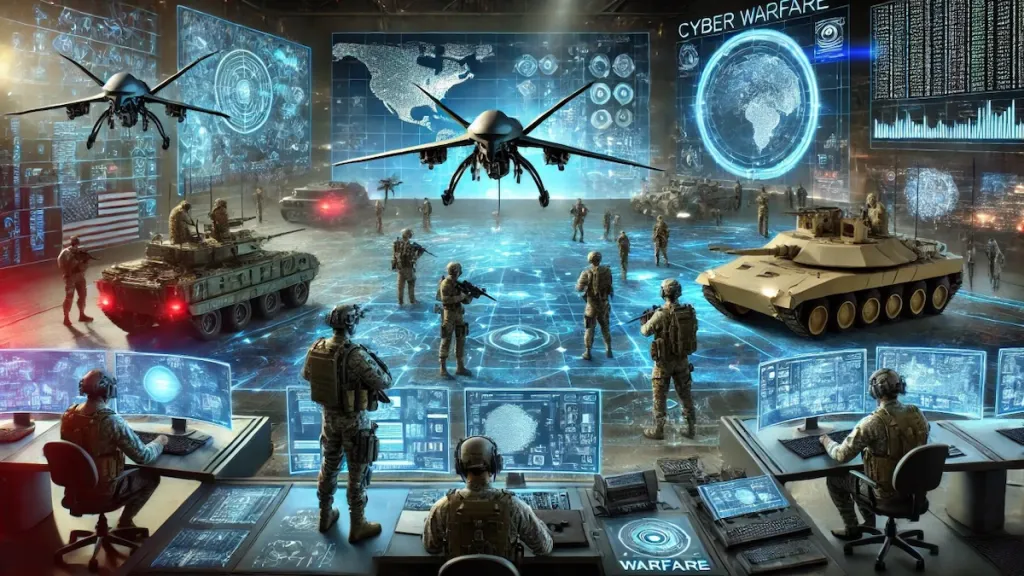
Anthropic, alongside OpenAI, is one of the world's two leading companies in the field of artificial intelligence models. The technologies they create have the potential to deeply impact various areas of modern life, including the defense industry.
If artificial intelligence technologies are potentially considered a weapon, then the issue of their regulation becomes particularly relevant. This is of vital importance not only for individual states but for the future of the human species as a whole.
The use of artificial intelligence for military purposes creates ethical dilemmas and new problems for international security. How should the principles of arms regulation be applied to the field of artificial intelligence, and who should lead this process?
Experts emphasize the necessity of joint international efforts to prevent the rapid development of artificial intelligence from getting out of control. This approach will help minimize risks while preserving the beneficial potential of the technology.
This dispute between Anthropic and the US Department of War could be a significant turning point in the formation of future artificial intelligence regulation mechanisms. This dialogue will further deepen global discussions on the governance of artificial intelligence and lay the groundwork for a re-evaluation of international law.
Reader comments
There are no comments yet. Be the first to comment.
Write a comment