
UK Faces Gas Crisis: Minister Rejects Claims of 'Two-Day Reserve'
Gas Crisis Grips Britain Minister - The UK government has firmly rejected claims that the country has only a two-day gas reserve. Amid rising concerns about energy supply in the context of Middle East tensions, ministers have emphasized that the country's energy security is assured.
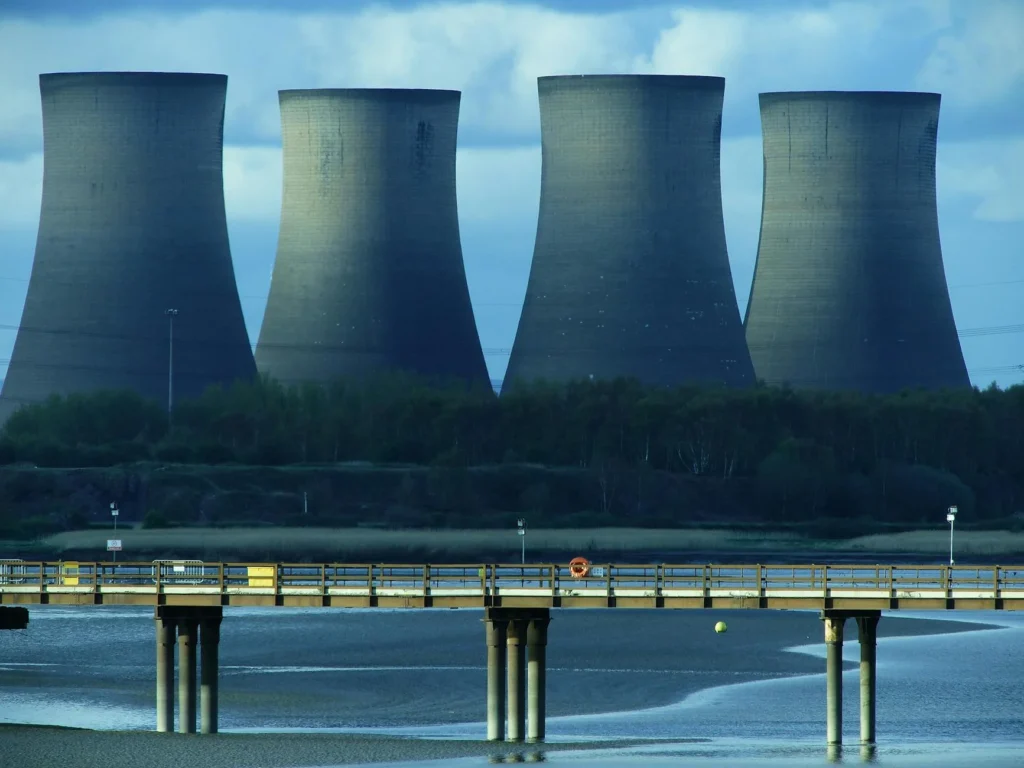
In recent days, some media outlets, particularly "The Times" newspaper, had published reports claiming that the UK's gas reserves had reached a critical level and that it was paying the highest price for gas in Europe. Such claims had caused serious public concern.
However, government representatives refuted this information, stating that the country's gas supply system is stable and that supply is not under any threat. The Energy Minister emphasized that the UK's gas reserves are completely reliable and that sufficient supply is available for the winter season.
Nevertheless, experts and renowned publications such as "The Guardian" emphasize, contrary to government statements, that the UK needs significant strategic gas reserves. It is noted that energy security is measured not only by current supply but also by preparedness for unforeseen situations that may arise in the future.
"The i Paper," meanwhile, predicts that even if the country's gas reserves do not run out, a supply crisis will affect consumer costs. Price fluctuations in international markets and regional tensions could lead to higher energy costs for British households.
"The Observer" newspaper, on the other hand, claims that energy security depends on domestic sources in the North Sea, not on the US. This approach emphasizes the importance of focusing on local production to strengthen the country's energy independence and increase its resilience against external influences.
Overall, while the minister's statement alleviates concerns about gas shortages in the near future, the importance of long-term strategic planning in the UK's energy policy remains relevant. Diversifying the supply chain and increasing domestic production remain key priorities for the future.
Reader comments
There are no comments yet. Be the first to comment.
Write a comment