
Pezeshkian Issued a Strong Warning to Israel and the US: "Those Who Want to Destroy Iran Are Unaware of History"
Pezeshkian Gives Harsh Statement to - Pezeshkian's strong statement to Israel and the US - The newly elected President of the Islamic Republic of Iran, Masoud Pezeshkian, has issued a strong warning to forces directed against his country. He stated, "Those who dream of destroying Iran are unaware of history," delivering a statement that further escalates tensions both regionally and internationally.
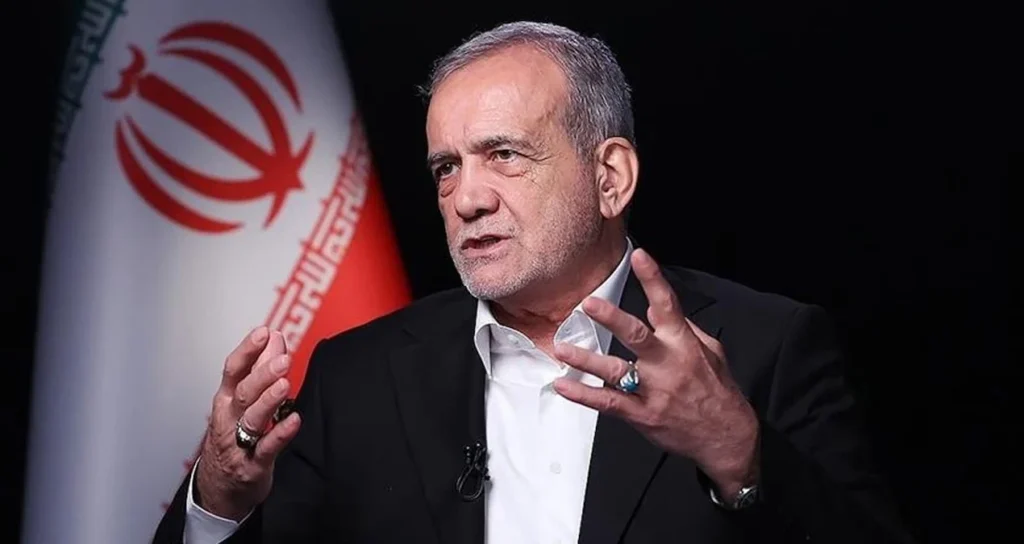
President Pezeshkian's statements are particularly significant against the backdrop of Israel's and the US's stance against Iran. Long-standing disagreements exist between Tehran and Western states, primarily concerning Iran's nuclear program and its sphere of influence in the region. This statement unequivocally reiterates that Iran will not make any concessions on matters related to its sovereignty and security.
Pezeshkian's assertion that "they are unaware of history" is a reference to Iran's rich past, spanning thousands of years, and its ability to overcome countless difficulties to reach the present day. Having been subjected to the rule of many empires and foreign interventions over centuries, Iran has always managed to preserve its existence. Through this, the President once again emphasizes his country's resilience and endurance.
Such statements can be perceived as a threat to the already fragile peace in the region. However, with these declarations, the Tehran leadership not only conveys a strong message to its domestic audience but also demonstrates Iran's inviolable red lines to foreign powers. This step aims to strengthen the country's national unity and present a united front against external pressures.
Sanctions, threats, and the possibility of military intervention imposed by Israel and the US against Iran provide the context for Tehran's sharp response. Pezeshkian's statements demonstrate Iran's determination to protect its position in the region and internationally, warning that any attempt at military intervention would lead to serious consequences.
In conclusion, the Iranian President's address may not lead to a reduction in international tensions; rather, it could further deepen the existing distrust between the parties. The importance of strengthening dialogue and diplomatic means to ensure peace and stability in the region is once again brought to the forefront.
Reader comments
There are no comments yet. Be the first to comment.
Write a comment