
China's Nuclear Submarine Fleet: The Beginning of a New Phase in the Submarine Arms Race?
Is Beijing entering a new - With Beijing's nuclear submarine fleet - China's transition to a fleet composed entirely of nuclear submarines has the potential to expand its strategic sphere of influence from the Pacific Ocean to the Indian Ocean. This significant step draws the attention of the international community, with the possibility that it could lead to a broader accumulation of nuclear-powered submarine forces in the region.
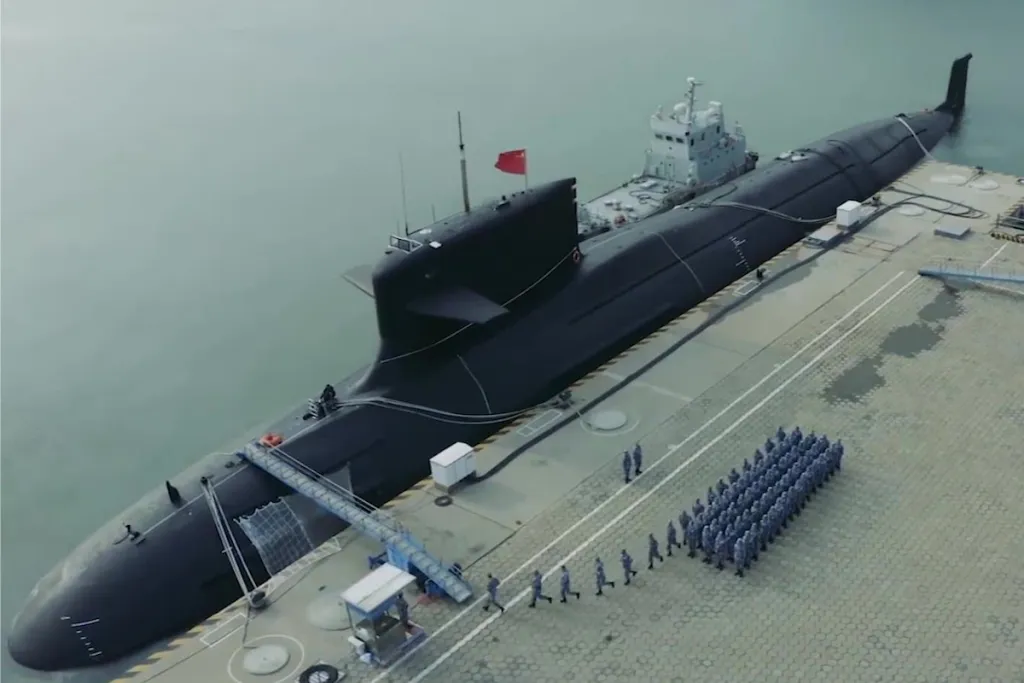
Beijing's activities in this area, significantly increasing the country's submarine capabilities, create a new dynamic in the global balance of power. Thanks to their ability to stay underwater for longer periods and travel greater distances, nuclear submarines further strengthen China's position in global maritime affairs.
US Navy intelligence chief, Rear Admiral Mike Brooks, confirmed this month during his testimony before the U.S.-China Economic and Security Review Commission (USCC) that China has made significant progress in this area. He stated that China continues its efforts to modernize and expand its submarine forces.
Such developments, particularly in the Asian region, could prompt other countries to take steps to strengthen their own submarine forces. As a result, there is a possibility of increased tension in the region with the rising risk of a submarine arms race.
Experts believe that China's strategy will have long-term implications for international maritime security. This situation sets the stage for a re-evaluation of naval strategies, both regionally and globally.
Reader comments
There are no comments yet. Be the first to comment.
Write a comment