
New Artificial Intelligence Early Detects Type-2 Diabetes in Pancreatic Tissue
Early Diagnosis of Type-2 Diabetes - Early Type-2 Diabetes in Pancreatic Tissue - A significant achievement has been made in the field of medical diagnostics. Researchers have developed an "explainable" artificial intelligence (AI) system for the early detection of Type-2 diabetes in pancreatic tissue. This innovative approach allows for more accurate and timely determination of the disease's progression.
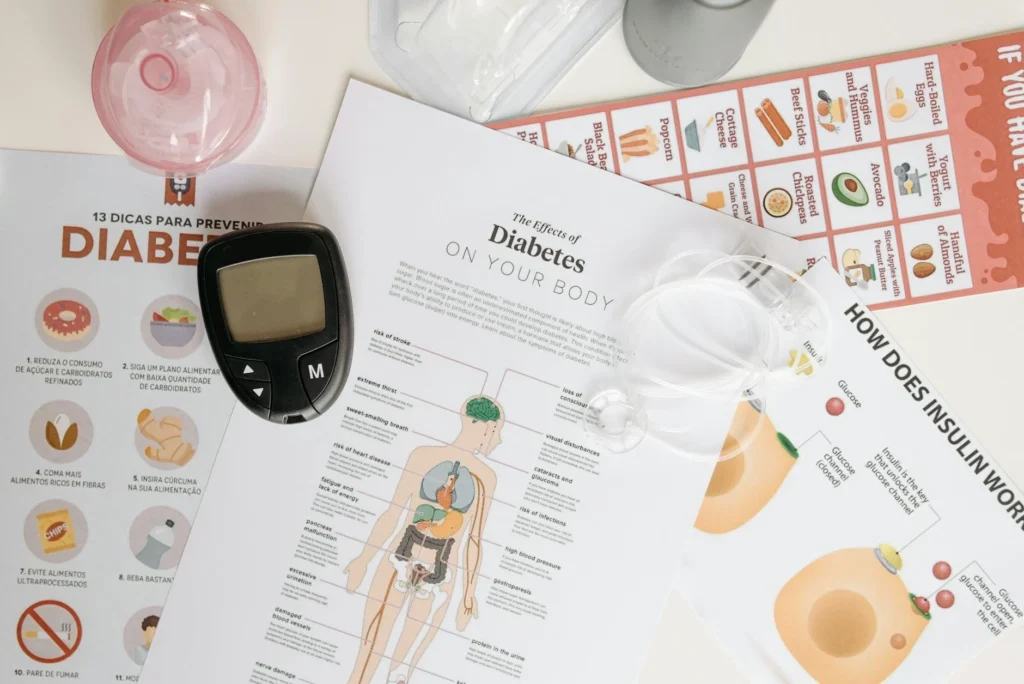
The main feature of explainable artificial intelligence is that it can explain not only the final result but also the logic behind how it arrived at that result. This feature is of particular importance in the medical field, as doctors need to understand the reasons behind the decisions made by AI and trust them. This increases the reliability of the diagnosis and helps in establishing more effective treatment strategies.
The application of artificial intelligence in the analysis of pancreatic tissue allows for the identification of pathological changes specific to Type-2 diabetes, even in early stages where they are difficult to detect with the human eye. This early diagnosis is of great importance for timely intervention to prevent the progression of the disease or minimize its complications.
This technology opens up new possibilities for personalized diabetes treatment. By analyzing each patient's tissue samples, AI can provide more accurate risk predictions and assist in personalizing treatment strategies. Consequently, this will make a significant contribution to improving patients' quality of life and optimizing healthcare costs.
In the future, this type of artificial intelligence system is expected to be widely applied in the diagnosis of other diseases as well. The integration of AI in medical imaging and pathology fields will not only accelerate diagnostic processes but also increase accuracy, thereby creating a foundation for achieving more positive outcomes for patients.
Reader comments
There are no comments yet. Be the first to comment.
Write a comment