
Middle East Tensions Divert Sea Trade to Cape of Good Hope: An Alternative Route to the Strait of Hormuz
Middle East Tensions Change Maritime - Middle East tensions affect sea routes - Events unfolding in the Middle East in February-March 2026 once again caused disruptions in international sea trade flows in both eastern and western directions. Given the global economy's reliance on maritime transport and the importance of safe, predictable delivery of goods by sea, this situation has created serious challenges for world trade.
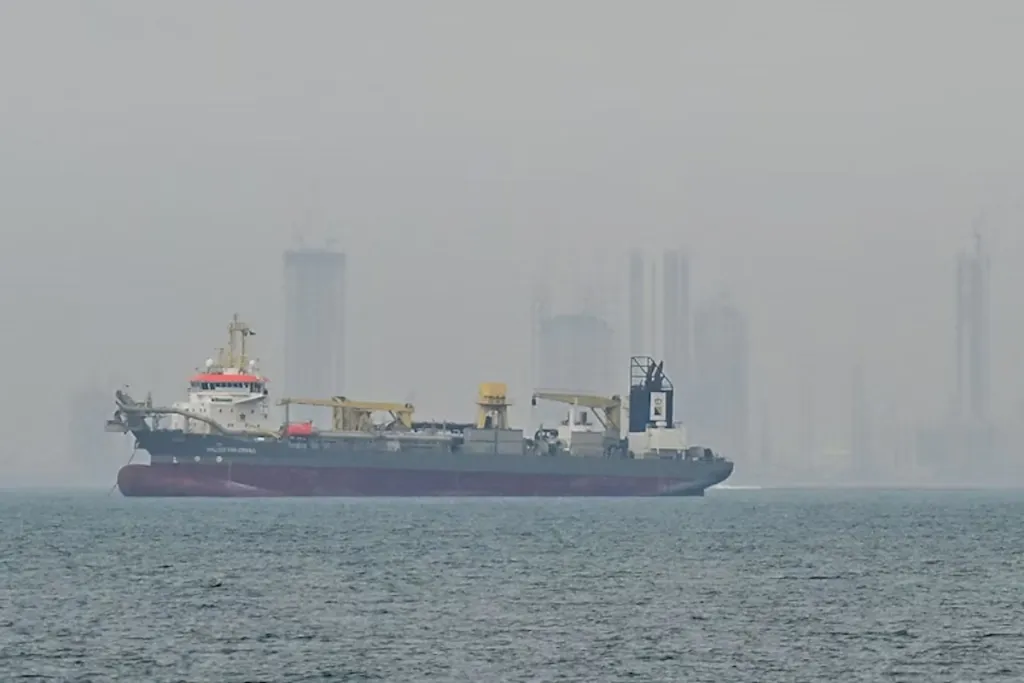
Armed attacks against Iran and their maritime consequences paralyzed shipping activities on major trade routes. These events, particularly by increasing concerns about the security of strategically important passages like the Strait of Hormuz, severely tested the resilience of international trade routes.
In an era where sea routes form the backbone of global supply chains, such disruptions lead to delays and increased costs in the transportation of oil, gas, and other vital goods. As a result, price fluctuations and economic uncertainty are observed in global markets.
Against the backdrop of the current situation, shipping companies and international trade were forced to turn to the Cape of Good Hope route. Although this route is longer and more costly than passing through the Strait of Hormuz, it remains the only reliable alternative given the existing security risks.
The extended transit time via the Cape of Good Hope route increases fuel consumption and raises insurance costs. These factors ultimately affect the price of goods for consumers, intensifying global inflationary pressures.
These events once again underscore the necessity for the international community to adopt a more serious approach to maritime security and the protection of strategic passages. Safeguarding trade routes and developing alternative routes are among the key guarantors of future global economic stability.
Reader comments
There are no comments yet. Be the first to comment.
Write a comment