
NASA's 1300-pound satellite fell to Earth: Uncontrolled descent caused concern
An old satellite belonging to the U.S. National Aeronautics and Space Administration (NASA), weighing approximately 1300 pounds (590 kilograms), entered Earth's atmosphere in an uncontrolled manner. This event has reignited discussions about the future of devices that have completed their operational life in space.
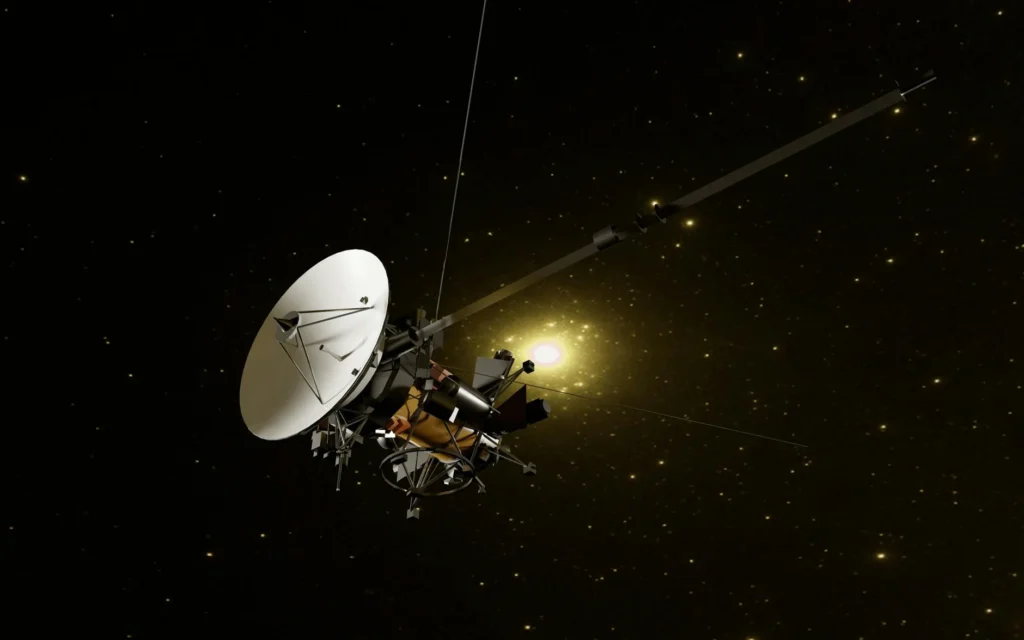
The satellite in question was a scientific research instrument called "Van Allen Probe A." For many years, it collected valuable data to study the radiation belts surrounding Earth. After its mission concluded, its deorbiting and return to Earth was an expected process.
According to experts, most objects entering the atmosphere burn up completely due to intense friction. However, in some cases, especially with larger and more durable parts, it is possible for them to reach the Earth's surface. Nevertheless, the probability of the satellite falling into densely populated areas is considered extremely low.
Various sources report that the satellite fell to Earth on Tuesday or Wednesday. Although NASA closely monitored the event, it was not possible to predict in advance the exact region where the satellite's remnants would fall.
Such incidents once again highlight the importance of managing space debris. International organizations and space agencies are working on new methods to prevent such uncontrolled descents in the future.
According to NASA's statement, the "Van Allen Probe A" satellite successfully completed its mission and made significant contributions to space science. Its return to Earth is considered a natural process and was predicted in advance.
Reader comments
There are no comments yet. Be the first to comment.
Write a comment