
Menstrual blood is revolutionizing medical science: Why is this “gold mine” so valuable?
Menstrual blood creates a major - Menstrual blood in medicine is a major - It is noted that menstrual blood is opening a new page in the world of medicine. Researchers are re-evaluating its importance, valuing this biological fluid as a 'gold mine' for potential treatments and diagnostics. This important discovery promises great prospects in the field of women's health and regenerative medicine.
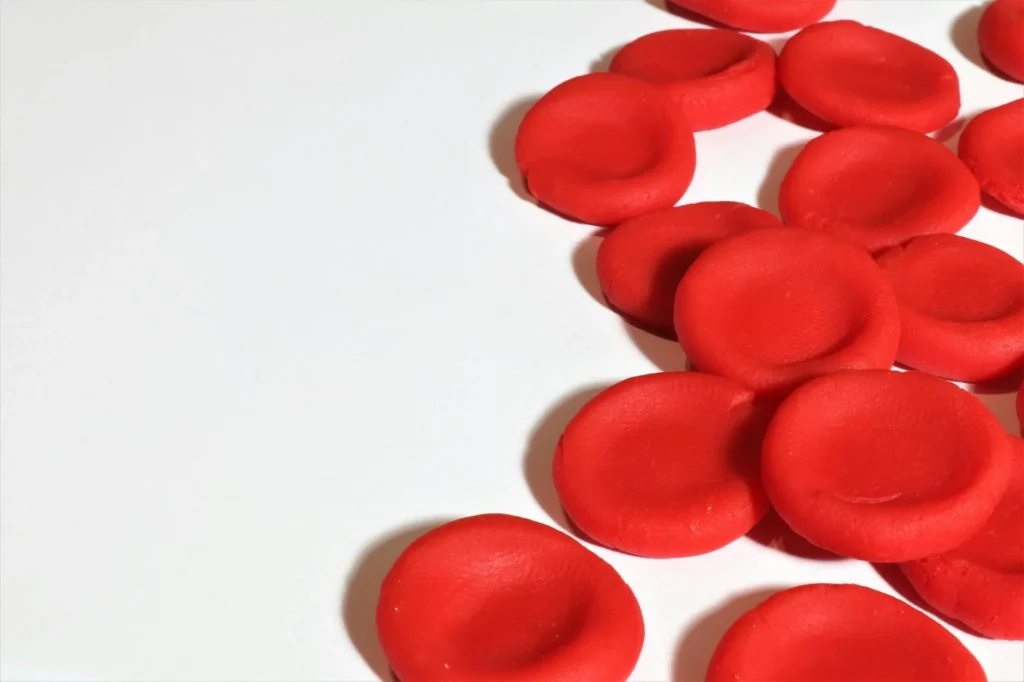
The main importance of this blood stems from the rare stem cells it contains. Menstrual stem cells have the ability to transform into other cell types in the body and are obtained through natural methods, requiring less intervention compared to other stem cell sources. This characteristic further increases their appeal for research and clinical use.
Scientists specifically emphasize that these cells have wide application possibilities in regenerative medicine, the treatment of various diseases, and early diagnostics. They can be successfully used in areas such as the restoration of damaged tissues, the reduction of inflammatory processes, and the regulation of the immune system.
For example, the application of menstrual stem cells in the early detection and treatment of cardiovascular diseases, neurological problems, diabetes mellitus, and even some types of cancer is being investigated. This approach could promise new treatment perspectives for millions of people suffering from countless chronic diseases.
Research conducted in this field offers great hope and could be a fundamental turning point in the treatment of many diseases in the future. Scientists emphasize that menstrual blood is not just a biological process, but an important tool for medical revolution.
Currently, clinical trials are ongoing, and further scientific research and investments are required for the widespread integration of this discovery into medicine. Although its potential is immense, there is still a long way to go.
Reader comments
There are no comments yet. Be the first to comment.
Write a comment