
Japan's Maglev Technology: Travel Time Between Tokyo and Nagoya Will Decrease to 40 Minutes
Maglev to shorten Tokyo-Nagoya route - Maglev in Japan the Tokyo-Nagoya route 40 - Japan is implementing a new project that promises a real revolution in the transport sector. The "Chuo Shinkansen" line, built on Maglev technology, will significantly reduce travel time between the country's capital, Tokyo, and Nagoya, an important industrial center.
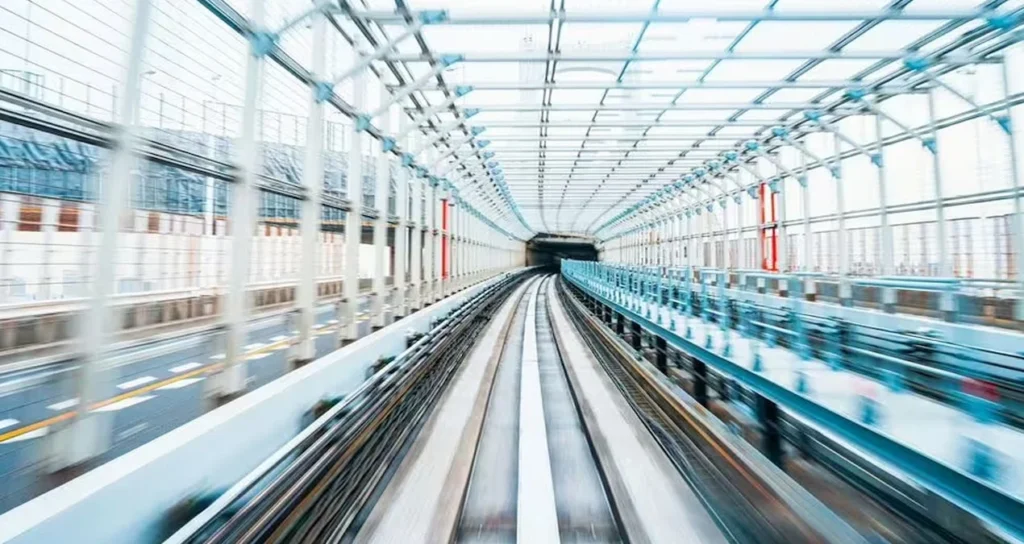
This high-speed train line will be able to reach a speed of 505 kilometers per hour. This indicator places the "Chuo Shinkansen" among the world's fastest train lines and will allow it to cover the 286-kilometer distance between Tokyo and Nagoya in just 40 minutes.
Maglev trains move in the air above the tracks using magnetic fields instead of ordinary wheels. This innovative technology minimizes friction, allowing trains to reach higher speeds while also providing a more comfortable and silent journey.
After the project is completed, transport links between Japan's two main cities will completely change. This will open new perspectives for both business travel and tourism, making significant contributions to the country's economic development.
Currently, travel from Tokyo to Nagoya by Shinkansen trains takes approximately 90 minutes. The new Maglev line will shorten this time by more than half, offering passengers a great advantage in terms of time saving.
This massive infrastructure project once again confirms Japan's leading position in high technology and engineering. In the future, Maglev trains are expected to connect other major cities as well, which will further strengthen the country's transport network.
With the successful completion of the project, Japan will set a new standard in high-speed train technology globally. This will serve as an important source of inspiration for the development of future transport systems.
Reader comments
There are no comments yet. Be the first to comment.
Write a comment