
Are the Gulf Region's Water Supplies Becoming Iran's Next Target? A New Danger Signal
Are the Gulf's water resources - The Gulf's water resources, Iran's new - For many years, the security of the Gulf region was primarily discussed around traditional topics such as oil reserves, maritime transport routes, and missile defense systems. However, with the US missile strike on Iran's freshwater desalination plant located on Qeshm Island and Tehran's assessment of this action as a "dangerous precedent," the threat to regional water infrastructure is no longer merely a theoretical hypothesis.
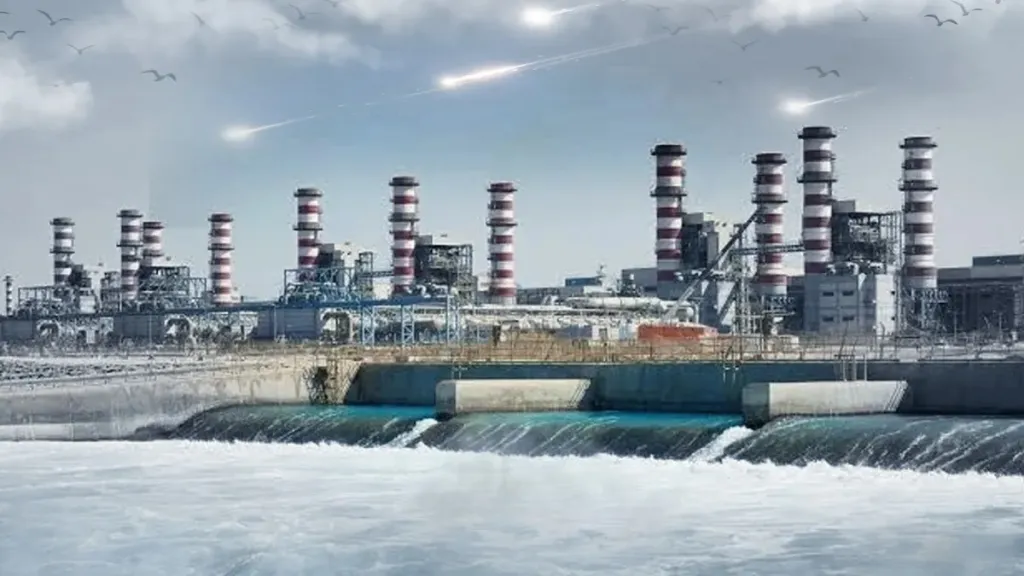
This latest incident further exacerbates the already existing tensions in the region, complicating the situation. The military strike carried out by the US was directed not only at a militarily significant object but also at critical infrastructure that meets the vital water needs of the civilian population. Such attacks increase the risk of similar incidents recurring in the future and bring the issue of water security to the forefront.
Gulf countries are in an extremely vulnerable position regarding freshwater resources. A large portion of these countries' populations depends on desalination plants that convert seawater into fresh water for drinking water supply. Any attack against these plants could severely disrupt the region's stability and lead to a large-scale humanitarian catastrophe.
Tehran's warning of a "dangerous precedent" raises the possibility of Iran taking similar retaliatory steps in the future. If Iran decides to further escalate tensions in the region, the possibility of it targeting the water supply infrastructure of Gulf countries is a serious source of concern.
Such a scenario could lead to a major humanitarian crisis, economic decline, and political instability in the region. The disruption of water supply would endanger the lives of millions of people and could create unprecedented chaos in the region. This is not merely a dispute related to energy, but a direct threat to essential living needs.
This new threat must draw the attention of the international community, and urgent measures must be taken to reduce tensions in the region. Water security has now become as crucial an issue as oil security, and international legal norms in this area must be resolutely defended.
Reader comments
There are no comments yet. Be the first to comment.
Write a comment