
The Korean Peninsula at the Intersection of Two Cold Wars: The Failure of a Peace Attempt
In the period from the end of the Cold War in 1989 to the beginning of the New Cold War in the early 2020s, the Korean Peninsula served as the last and most important testing ground for a peace-based international system.
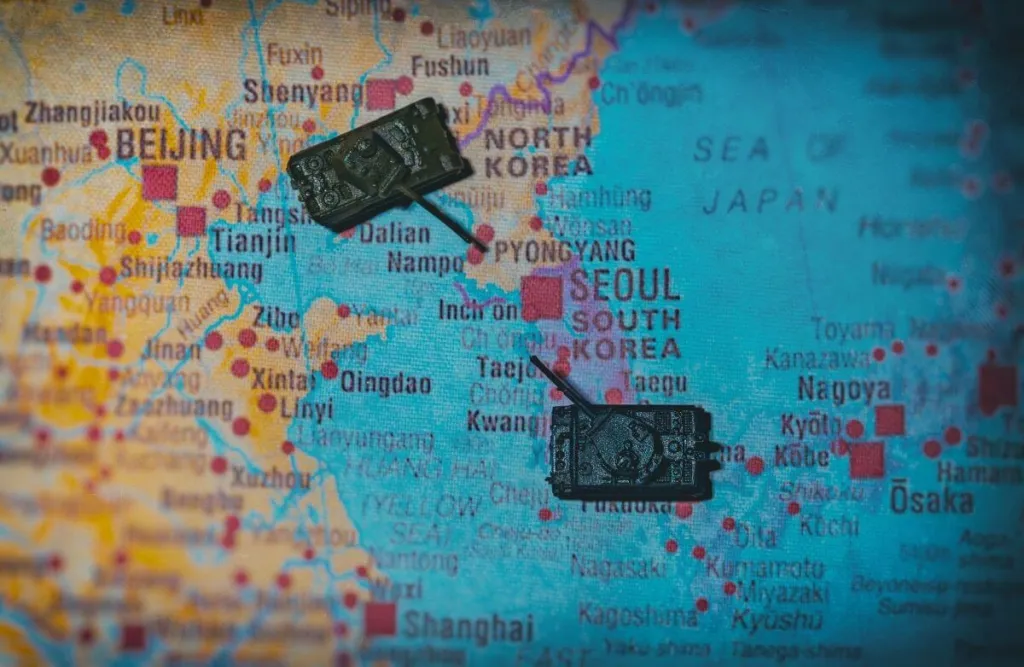
During that period, although the peninsula played a kind of laboratory role for the creation of a peace and stability model, these attempts proved fruitless. Despite all the efforts of the international community, it was not possible to ensure lasting peace in the region.
The 'Great Strategic Triangle' formed between Washington, Beijing, and Moscow prioritized spheres of influence rather than denuclearization. This approach hindered steps taken to reduce tension and ensure peace on the peninsula.
As a result, the goal of nuclear disarmament fell by the wayside, and instead, the regional interests of major powers took precedence. This situation led to the existing status quo of the Korean Peninsula remaining unchanged and the continuation of tension in the region.
This historical phase once again clearly demonstrated the importance of denuclearization in international relations and how the geopolitical interests of major powers clashed.
Reader comments
There are no comments yet. Be the first to comment.
Write a comment