
Iran's Yuan Demand in the Strait of Hormuz: A Blow to the Dominance of the US Dollar?
Iran's Yuan Demand in Hormuz, US - Iran's intention to demand that all oil tanker transactions passing through the Strait of Hormuz be conducted in Chinese yuan has sparked widespread discussions in international financial markets. This initiative is seen as a response by Tehran to US sanctions and could usher in a new era in global energy trade.
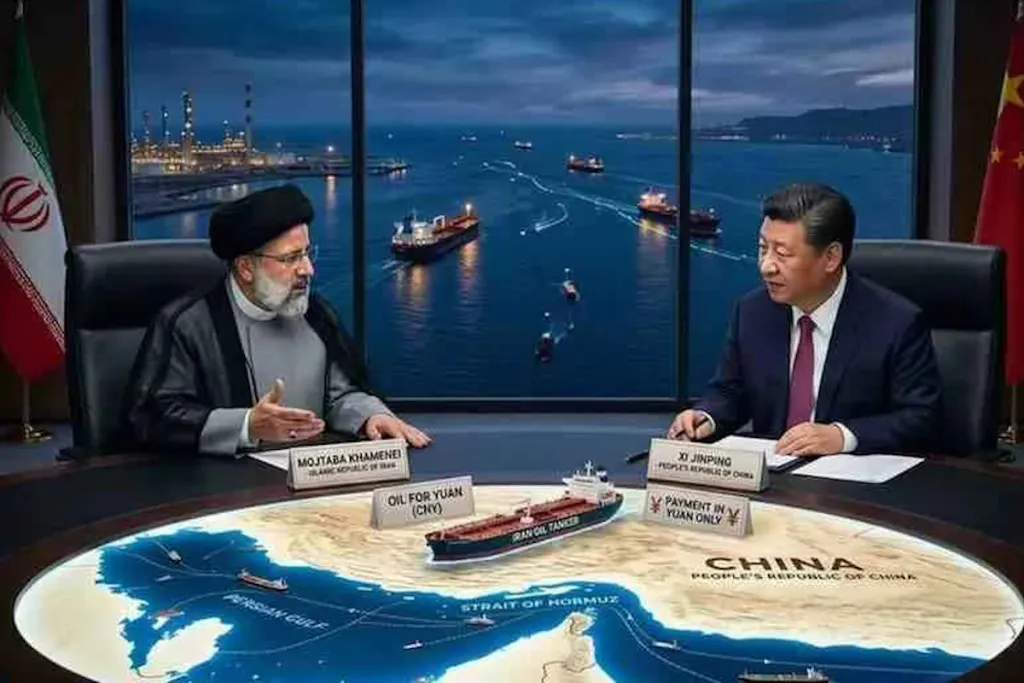
The Strait of Hormuz, considered one of the world's most strategic maritime routes, is a vital point through which approximately one-third of the global oil supply passes. Iran's dominant position over this strait means that any action it takes can have a significant impact on international trade and geopolitics.
The promotion of the yuan's use in oil transactions aligns perfectly with China's strategy to enhance its currency's influence in the international arena. This is also part of Beijing's efforts to reduce its dependence on the US dollar's status as the global reserve currency.
Iran's demand has the potential to strike a blow to the US dollar's decades-long dominance in oil trade. If this plan materializes, other countries might be encouraged to take similar steps, which could weaken the dollar's position in global trade.
This event is also seen as a geopolitical maneuver in Iran's ongoing struggle against the US. Tehran is seeking various ways to minimize the impact of sanctions and strengthen its position in the international arena.
Analysts predict that this move could increase volatility in global energy markets and lead to larger changes in the international financial system. The adoption of the yuan in the Strait of Hormuz could set an important precedent for how oil trade will be conducted in the future.
Reader comments
There are no comments yet. Be the first to comment.
Write a comment