
Iranian Ayatollahs Accelerate Supreme Leader Election Process: Khamenei's Succession Issue on the Agenda
Iran's religious leaders accelerate the - Iran's religious leaders, the Supreme Leader - The process of selecting a new religious leader in Iran is being accelerated. The country's prominent ayatollahs have issued directives for preparations for this important transitional phase to be completed more quickly. This measure has been taken due to concerns arising from the advanced age and health problems of the current Supreme Leader, Ayatollah Ali Khamenei.
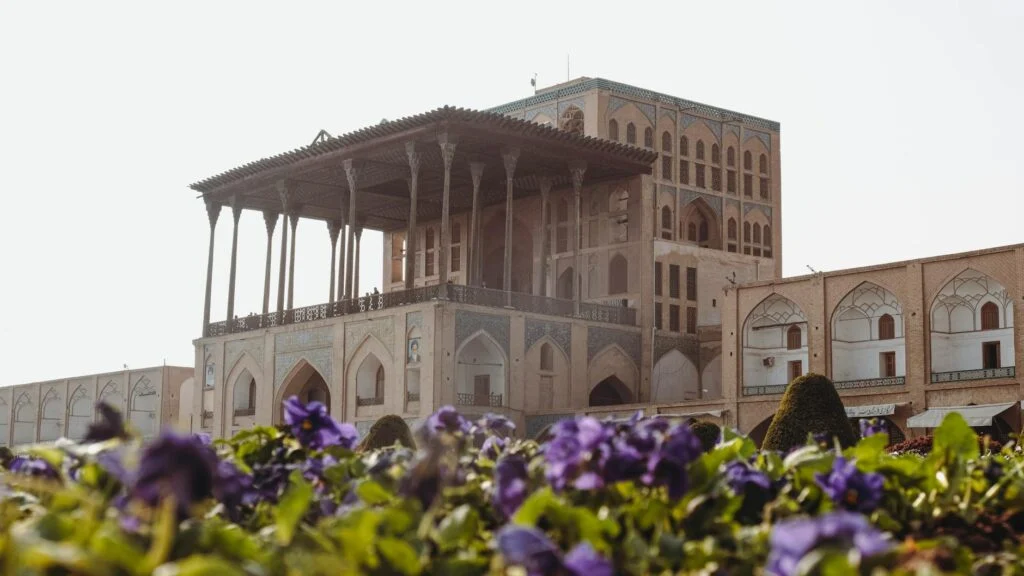
The 85-year-old Ayatollah Ali Khamenei plays a key role in making the country's political, religious, and military decisions. The issue of his succession has long generated great interest both within Iran and internationally. The acceleration of the election process aims to ensure that the transfer of power in Iran occurs as smoothly and stably as possible. This is a vitally important stage that will determine the country's future path.
Various speculations are being put forward regarding potential successors. Among these names, Ayatollah Khamenei's son, Mojtaba Khamenei, is also mentioned. However, claims regarding his candidacy have led to controversy both domestically and abroad, and were even criticized by former US President Donald Trump.
The selection of the Supreme Leader is carried out by the Assembly of Experts, which consists of Iran's religious leaders. This assembly is composed of the most influential members of the country's religious and political elite. The Assembly has the authority to oversee the Supreme Leader's powers, as well as to elect him and, if necessary, remove him from office.
The acceleration of this process could lead to increased tensions among internal political factions in Iran. The position of Supreme Leader holds the final say in the country's strategic decisions, making the appointment of who will fill this post of great importance.
These events will also have an impact on Iran's regional and international policies. The selection of a new leader could lead to changes in the country's policies regarding its nuclear program, relations with Western states, and its position in the region.
Reader comments
There are no comments yet. Be the first to comment.
Write a comment