
War with Iran Risks Repeating Iraq's Catastrophic Outcomes
War with Iran risks repeating Iraq's tragic fate - The military operation carried out by the US in Iraq in 2003, despite achieving its military objectives, led to tragic long-term consequences. This experience serves as an important lesson and warning for those currently considering the possibility of military intervention in Iran.
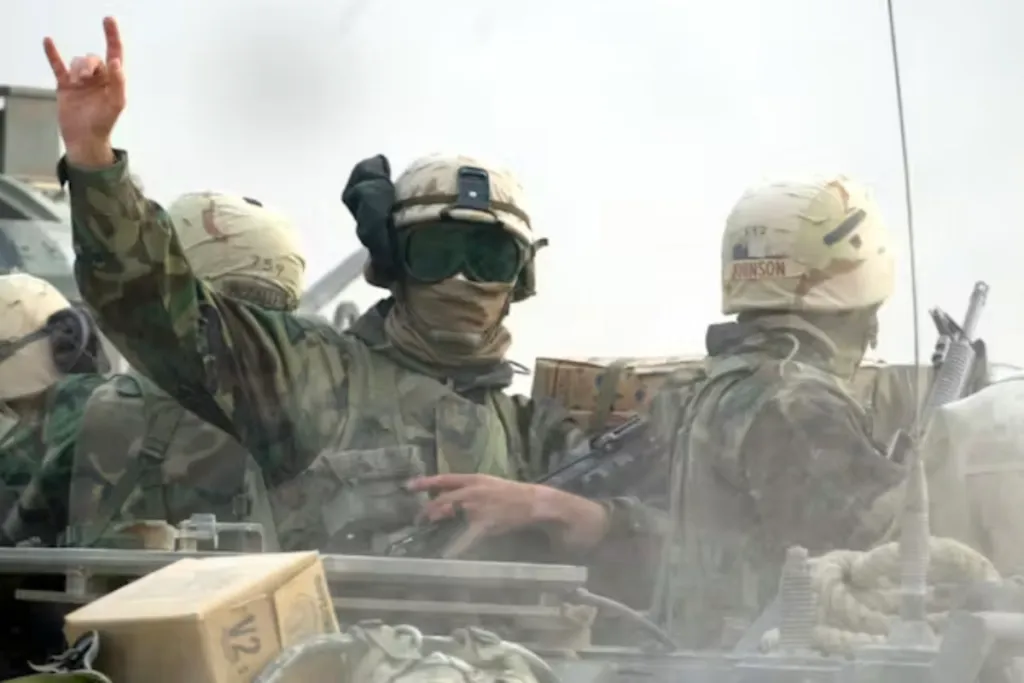
In the early days of the Iraq War, US forces quickly achieved their main military objectives. Saddam Hussein was captured, brought to trial, and executed. Air superiority was completely secured within a few days, and the Iraqi government collapsed in just 21 days. From a military perspective, this was a swift and decisive victory.
Nevertheless, more than 20 years later, Iraq has still not achieved lasting stability. The country remains under the influence of terrorism, political fragmentation, and foreign interventions. This situation clearly demonstrates that achieving military objectives is different from ensuring peace and long-term stability.
For this very reason, experts specifically emphasize that any military intervention concerning Iran carries the risk of repeating the scenario in Iraq. Even if initial military targets are achieved, the probability of long-term chaos, instability, and major human tragedies in the region is extremely high.
Such interventions do not merely suffice with changing a country's regime; they also create new and more difficult problems. Iraq's bitter experience proves that resorting to military force should be the last resort, and its future long-term consequences must be thoroughly evaluated.
The international community, especially the US, must keep the bitter lessons of Iraq in mind when formulating its policy regarding Iran, and prioritize diplomatic and political means before favoring military solutions.
Reader comments
There are no comments yet. Be the first to comment.
Write a comment