
War with Iran: New Challenges for Japan's and South Korea's Nuclear Strategy
Rising Tensions Around Iran Test - Tensions around Iran Japan - A war with Iran became a serious testing ground for "nuclear latency," a strategy of not exceeding the armament threshold while possessing the potential to develop a nuclear weapons program. This conflict clearly revealed how effective the aforementioned strategy is.
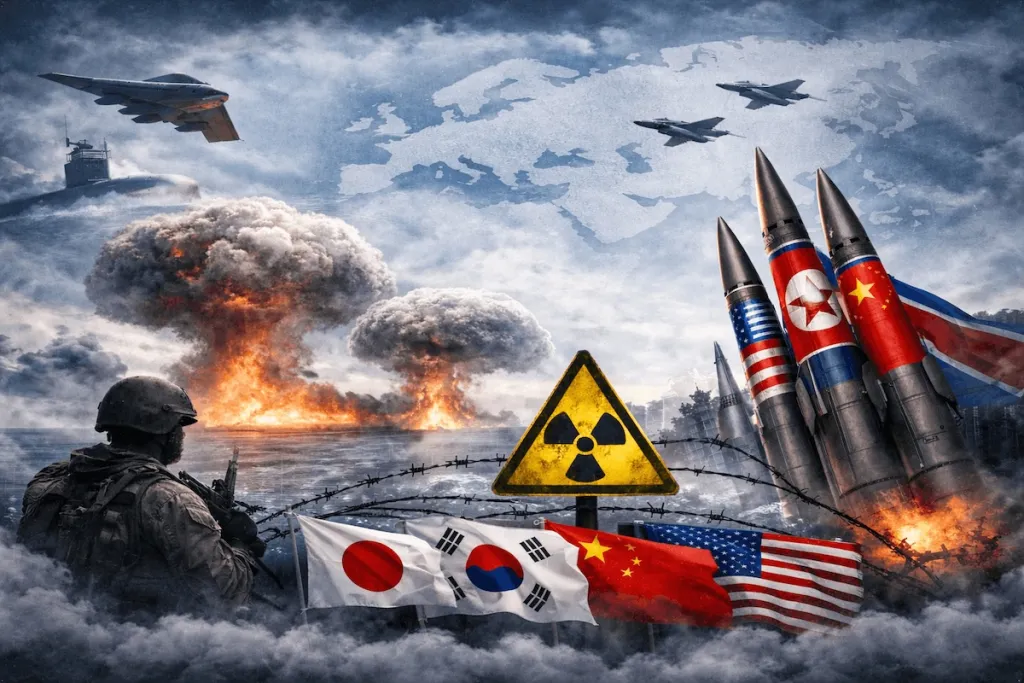
Nuclear latency involves states possessing the necessary technology and infrastructure for nuclear weapons production, but refraining from actual armament. This approach acts as a deterrent and provides the capability for rapid armament if necessary.
This situation has serious consequences for the Northeast Asian region. South Korea and Japan are implementing precisely such a strategy amidst declining trust in the US's extended deterrence capabilities.
Growing doubts about Washington's commitment to defend its allies compel Seoul and Tokyo to reconsider their defense capabilities. The nuclear latency strategy was considered a way to bridge the security gap for these countries.
However, the development of the war with Iran raises serious questions about whether this approach can truly ensure stability in the region. The uncertainty created by the war casts doubt on how reliable nuclear latency is in modern geopolitical conditions.
These events may lead Japan and South Korea to make important decisions regarding their future defense policies. International efforts to prevent the proliferation of nuclear weapons in the region will also face new challenges.
Reader comments
There are no comments yet. Be the first to comment.
Write a comment