
Iran conflict pushes fuel prices to peak: Global market tensions rise
Tension around Iran pushes fuel prices - Recently, a significant increase in fuel prices has been recorded in global markets. Particularly, since March 10, gasoline and diesel prices have risen noticeably, becoming a source of concern for both drivers and the economy.
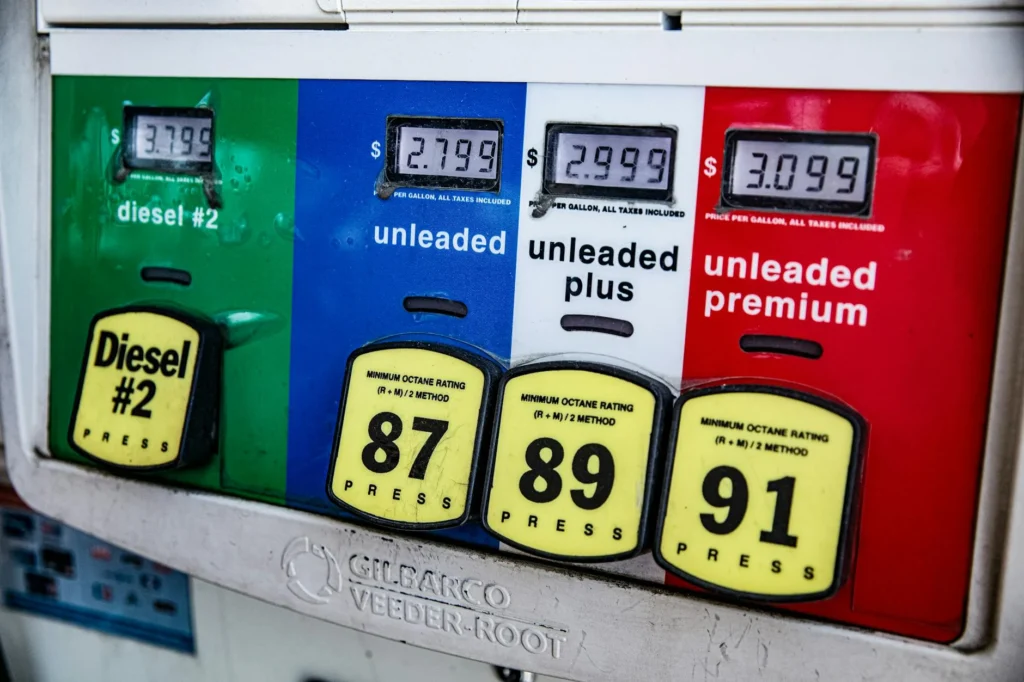
The main reason for this price increase is the tension around Iran and the ongoing military operations in the region. Conflicts involving Iran heighten concerns about global oil supply, which in turn leads to rising crude oil prices.
Geopolitical tensions directly affect oil markets, intensifying fears of potential disruptions in supply chains. This situation, in turn, increases the price per barrel of oil, and this rise quickly reflects in prices at gas stations.
An increase in fuel prices is observed in several European countries, including Spanish cities like Seville and Madrid. This trend is also evident in other parts of the continent, creating an additional financial burden on consumers' budgets.
The rise in fuel prices affects not only individual drivers but also the transport, logistics, and manufacturing sectors. This situation can lead to an increase in the prices of goods and services, and consequently, accelerate inflation.
According to experts, as long as the Iran conflict and tensions in the Middle East continue, the upward trend in oil prices will also persist. This creates additional difficulties and uncertainties for the global economy.
Governments and central banks are attempting to take various measures to minimize the negative economic impacts of this increase in fuel prices. However, the situation in global markets remains sensitive.
Reader comments
There are no comments yet. Be the first to comment.
Write a comment