
Indonesia's Battery Strategy: Chinese Investments and the Dilemma of Economic Independence
Over the past decade, Indonesia has been implementing a large-scale strategy to transform its natural resources into high-value products rather than exporting them as raw materials. The country's main goal is to strengthen the domestic processing industry through bans on nickel exports and to become a hub for battery manufacturing for the global electric vehicle market.
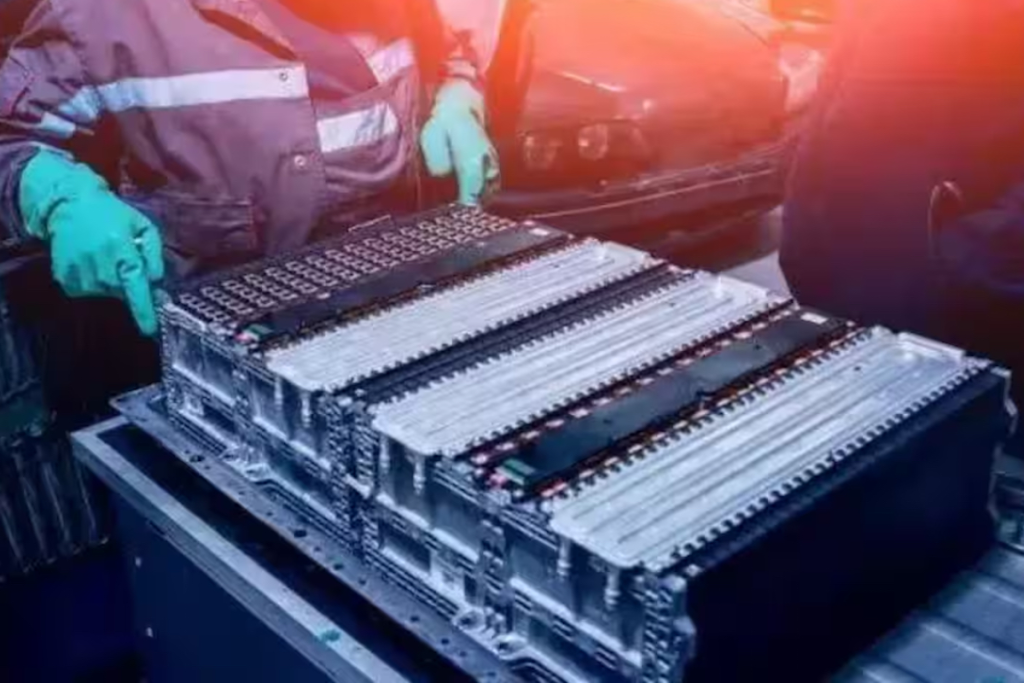
At the foundation of this ambitious roadmap lie Chinese investments. By attracting Chinese capital to nickel processing enterprises, the Indonesian government aims to accelerate the country's industrial potential. However, this cooperation poses serious economic and political questions for official Jakarta.
Experts emphasize that the dominance of Chinese companies in the supply chain may, to some extent, limit Indonesia's control over its own natural resources. Maintaining a balance between the technology transfer essential for the development of local industry and economic independence remains a key challenge for the government.
The Indonesian leadership is trying to gain a strategic position in the global energy transition by utilizing its nickel reserves. While the partnership established with China in this process yields fruitful results, how the country will rid itself of foreign dependence in the future and how it will enhance the competitiveness of local manufacturers remains a subject of widespread debate.
Reader comments
There are no comments yet. Be the first to comment.
Write a comment