
Hormuz Crisis Shakes Global Markets: Oil Prices Surpassed $100
Hormuz Crisis Shakes World Markets - Tensions in the Strait of Hormuz have caused great alarm in global financial markets. Although declines were observed on global exchanges this week, oil prices rapidly increased, surpassing the psychological threshold of $100. These events have caused serious concern, especially in the energy sector.
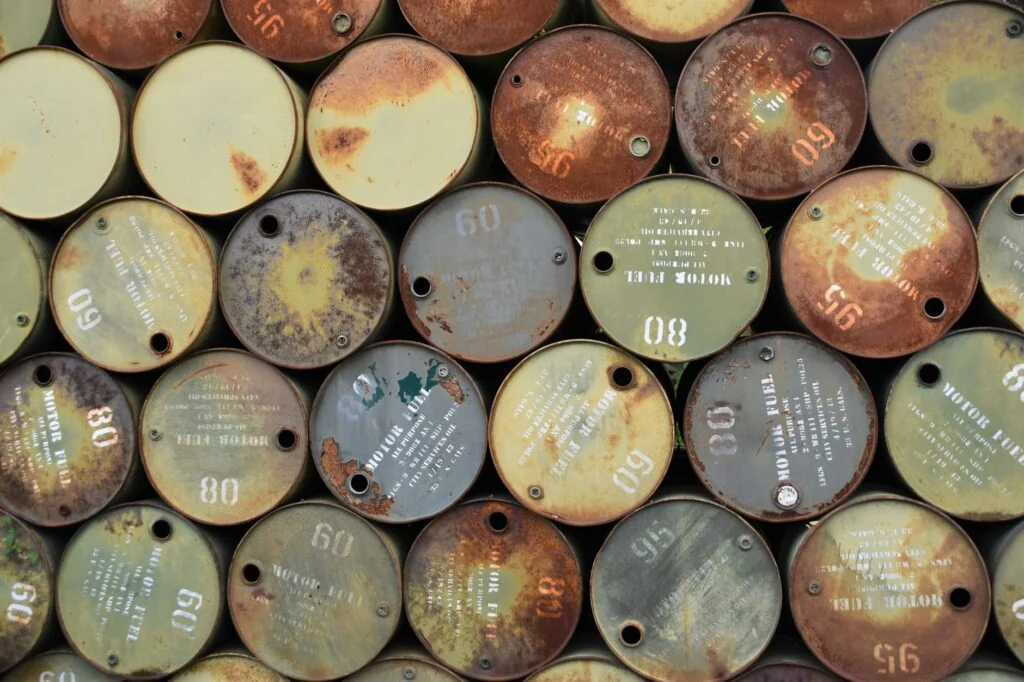
According to Investing.com Spain, the situation in Hormuz has led to a sharp increase in oil prices. Investment bank Goldman Sachs, on the other hand, forecasts that the price of Brent crude oil will reach an average of $100 in March. Such forecasts further increase the existing tension in the markets.
It should also be noted that although many countries have started to release their strategic oil reserves onto the market, this measure could not prevent oil prices from exceeding $100. EL PAÍS newspaper highlighted this situation under the headline "Although countries started to activate strategic reserves, oil prices exceeded $100." This fact clearly reveals the scale of the crisis.
The reaction of former US President Donald Trump to these events attracted special attention. Trump, who is under the influence of domestic economic difficulties, commented on the rise in oil prices with the words "we will make a lot of money," clearly expressing his intention to benefit from the situation. This statement is evaluated as an integral part of his political and economic strategy.
elDiario.es, on the other hand, noted that Trump gave a desperate reaction to the economic impacts of the Hormuz crisis and the increasing pressures within the country. This situation, during a period when his political position was weakening, is explained as an attempt to highlight the positive aspects of rising oil prices.
Since the Strait of Hormuz is considered one of the main routes for global oil supply, any tension arising there directly affects the global economy. The current situation has once again brought concerns about energy security and international trade routes to the forefront.
Analysts predict that the situation will not stabilize in the near future and that price fluctuations in oil markets will continue. Governments and central banks will have to develop new strategies to minimize the negative impacts of this crisis on the global economy.
Reader comments
There are no comments yet. Be the first to comment.
Write a comment