
Only "Shadow Tankers" are Moving in the Strait of Hormuz: Global Oil Trade on the Brink of Collapse
A shadow fleet sails in the Strait of Hormuz - As of February 28, 2026, the tense conflict between the US, Israel, and Iran has led to the de facto closure of the Strait of Hormuz. This situation has paralyzed global oil trade, reducing tanker traffic in this vital strait for global oil shipments by more than 90%.
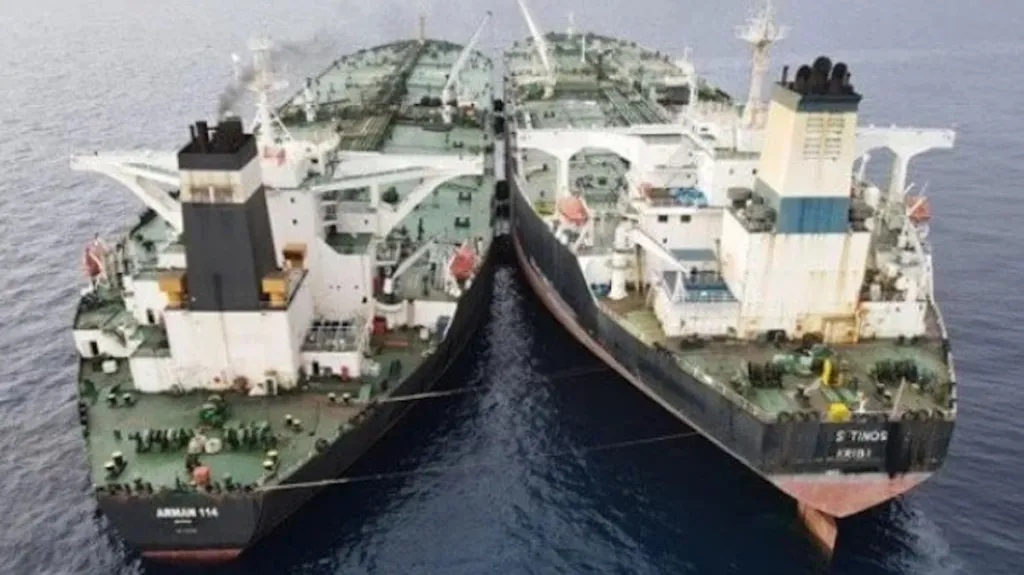
This significant reduction in tanker traffic is a direct result of Iran's threats to target all vessels passing through the strait, including oil tankers. International shipping companies and insurance providers, considering the risks involved, have been forced either to change their routes or to cease their operations entirely.
As a result of all this, oil transport through the Strait of Hormuz has almost completely ceased. This critical situation not only deals a severe blow to the global economy but also poses a major threat to global energy security. Sharp jumps in oil prices are observed, and the risk of supply chain disruptions is steadily increasing.
However, even against this backdrop of tension, some vessels still dare to pass through the strait. They are known as "shadow tankers" – vessels that typically operate without insurance, have opaque ownership structures, and are used to evade international sanctions.
These "shadow tankers," despite high risks, continue their operations with the intention of earning large profits. Their activities further escalate tensions in the region and deepen concerns about maritime security.
Experts predict that this situation in the Strait of Hormuz will have long-term and severe consequences for global oil markets. This will create serious difficulties for both oil-producing and oil-consuming countries.
Although international efforts to resolve the crisis continue, the escalating tension between the US, Israel, and Iran further complicates the situation. The reopening of the Strait of Hormuz and the restoration of its normal operations are vital for global economic stability.
Reader comments
There are no comments yet. Be the first to comment.
Write a comment