
Navigation Security in the Strait of Hormuz: Iran's Mines and Global Threats
Maritime Security in the Strait - Maritime security threat in the Strait of Hormuz - The Strait of Hormuz is considered one of the central arteries of global oil supply. Its strategic importance is exceptionally vital for the world economy. Millions of barrels of crude oil and various types of cargo pass through this strait every day, making it one of the most sensitive and critical points for international maritime trade.
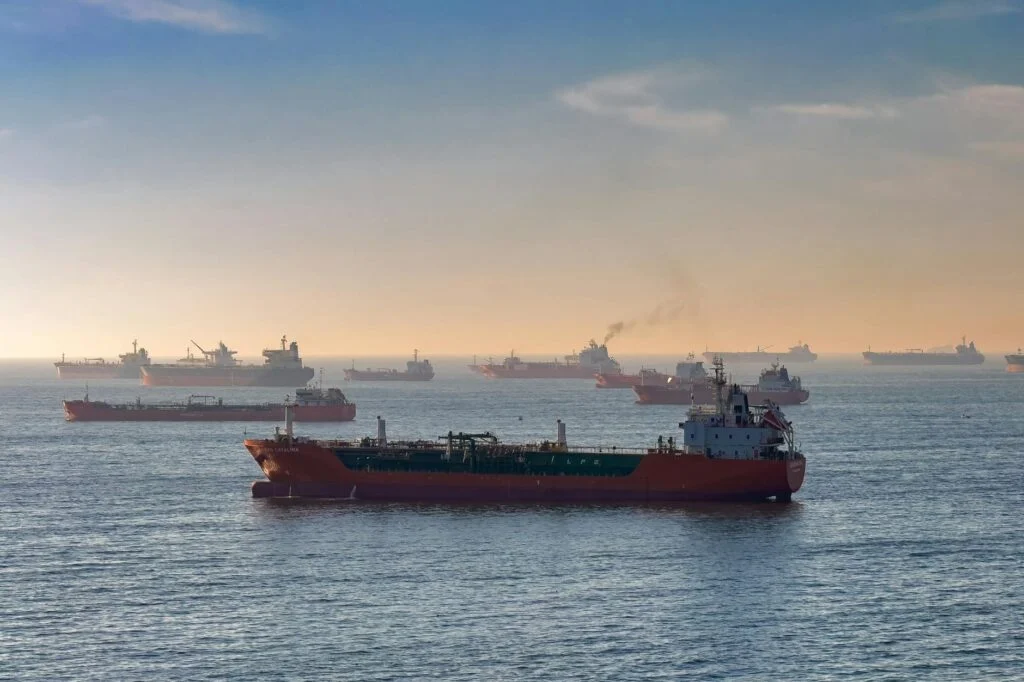
Recently, the situation in the strait has become significantly tense. Some sources claim that Iran has started laying naval mines in the Strait of Hormuz or is making preparations in this direction. United States intelligence has also stated that it has observed signs of such activities by Tehran. Such actions pose serious threats to international maritime navigation.
The Iranian Ministry of Foreign Affairs has called on oil tankers to be "extremely cautious" when passing through the Strait of Hormuz. This statement further deepens existing concerns about the safety of shipping in the strait and increases the risk of escalating tensions in the region.
The defense of the Strait of Hormuz is extremely complex due to both geographical and political factors. Some parts of the strait are narrow and shallow, making it an ideal area for naval mines and small military vessels. Moreover, Iran's long coastline and strong military presence in the region further complicate defense operations.
The current tension further threatens the already fragile peace in the region. Any incident or military conflict could lead to sharp price spikes in global oil markets, which would deal a severe blow to the world economy. The international community is closely monitoring this situation and calling for de-escalation.
Reader comments
There are no comments yet. Be the first to comment.
Write a comment