
Strait of Hormuz: A strategic route affecting oil prices and the global economy
Strait of Hormuz A vital - Strait of Hormuz and oil prices - The Strait of Hormuz is a vital strategic waterway for the global economy. Connecting the Persian Gulf with the Gulf of Oman and the Arabian Sea, this passage serves as the main route for transporting approximately one-third of the world's oil trade. The closure or threat to the Strait leads to immediate and severe consequences in global energy markets.
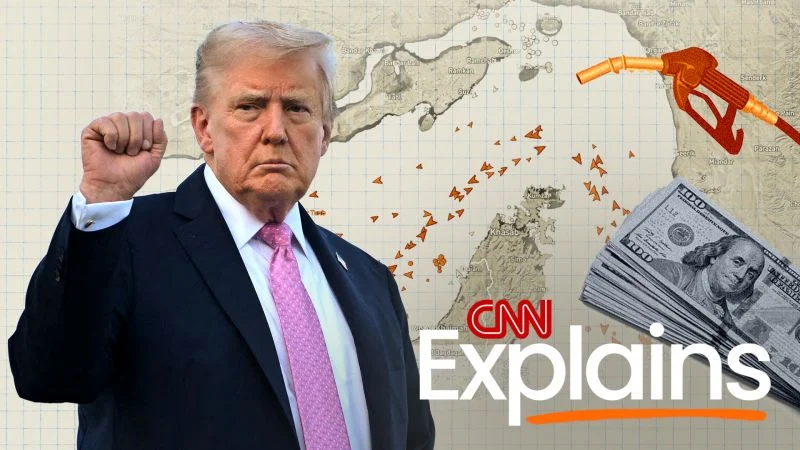
In the early days of the war with Iran, the disruption of oil tanker traffic in the Strait of Hormuz was a serious signal for the global economy. This event clearly demonstrated how military tensions in the region directly impact international trade routes.
The obstacles faced by tankers in the Strait led to a sharp rise in oil prices. This price increase directly affected consumers' fuel costs, creating a noticeable burden on every family's budget. The increase in crude oil prices in global markets, in turn, intensified worldwide inflationary pressures.
As highlighted by Gianna Toboni of CNN, tensions in the Strait of Hormuz are not limited to oil prices alone. This situation is a serious source of threat for the global economy as a whole. Consequences such as disruptions to supply chains, reduced industrial production, and eroded investor confidence increase the risk of a global recession.
The security of the Strait is of great importance not only for oil-producing and exporting countries but for all nations worldwide. Any disruption could paralyze energy-dependent industries, negatively impacting the lives of millions of people.
These events once again confirm that the Strait of Hormuz is a key indicator of regional stability and global energy security. Its continued open and secure status is a necessary condition for the sustainable development of the world economy and should remain a focus of the international community.
Reader comments
There are no comments yet. Be the first to comment.
Write a comment