
Indo-Pacific Strategy Failed in Iran: Global Powers' Plans Overturned
Indo-Pacific strategy failed in Iran - Over the past decade, the capitals of many countries, from Australia to France, India to Japan, South Korea to the United Kingdom, have vigorously pursued their Indo-Pacific strategies. The main goal of these strategies was to ensure regional stability through naval coalitions, protect the security of maritime trade routes, and keep the rising continental power in check.
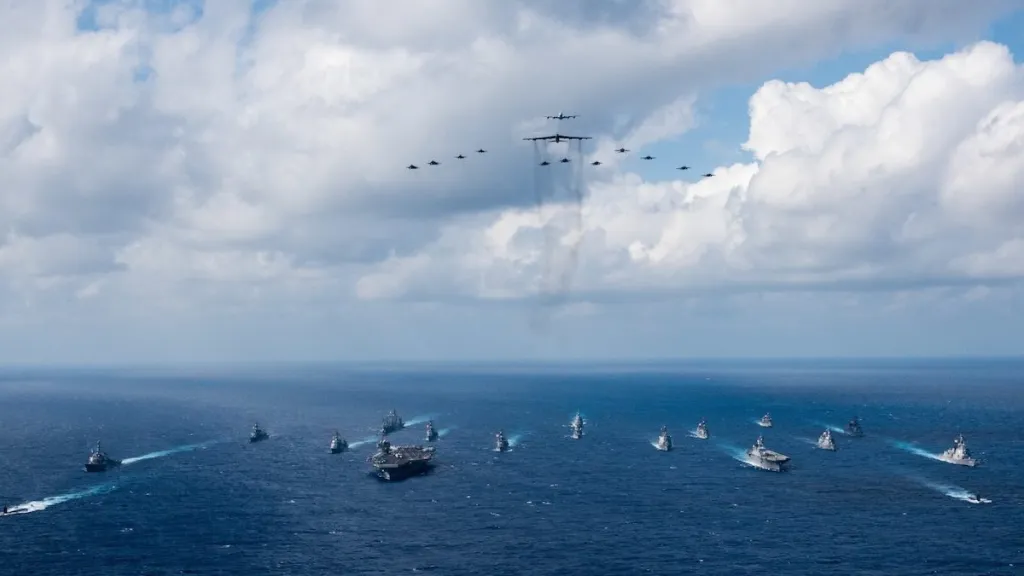
Numerous official documents, including "white papers," strategic frameworks, and "future visions," particularly emphasized the importance of this approach, giving great importance to maritime security and regional stability. These plans were designed to defend interests across a wide geographical area and promised to ensure peace and prosperity in the region.
However, with an unexpected event, the Indo-Pacific strategy "failed" in Iran. This situation clearly reveals that the strategic approach formed by naval powers over many years has encountered a serious obstacle and that the plans have not yielded the expected results.
Iran's regional policy or events related to this country have shaken the fundamental principles of the aforementioned strategy, completely overturning its goals of maritime security and regional stability. This situation may lead to an expansion or significant reconsideration of the strategy's geographical focus.
This event will force global powers operating in the Indo-Pacific region to re-evaluate their plans. From now on, attention should be directed not only to the security of maritime routes but also to geopolitical tensions in land areas and how they affect maritime security.
This shift in strategic thinking could mark the beginning of a new phase in international relations and have serious implications for the global security architecture in the future. Global powers will be forced to develop more flexible and comprehensive approaches to adapt to new realities.
Reader comments
There are no comments yet. Be the first to comment.
Write a comment