
Hegseth's Harsh Rhetoric on Iran: Contrasting with Mattis's Professional Approach
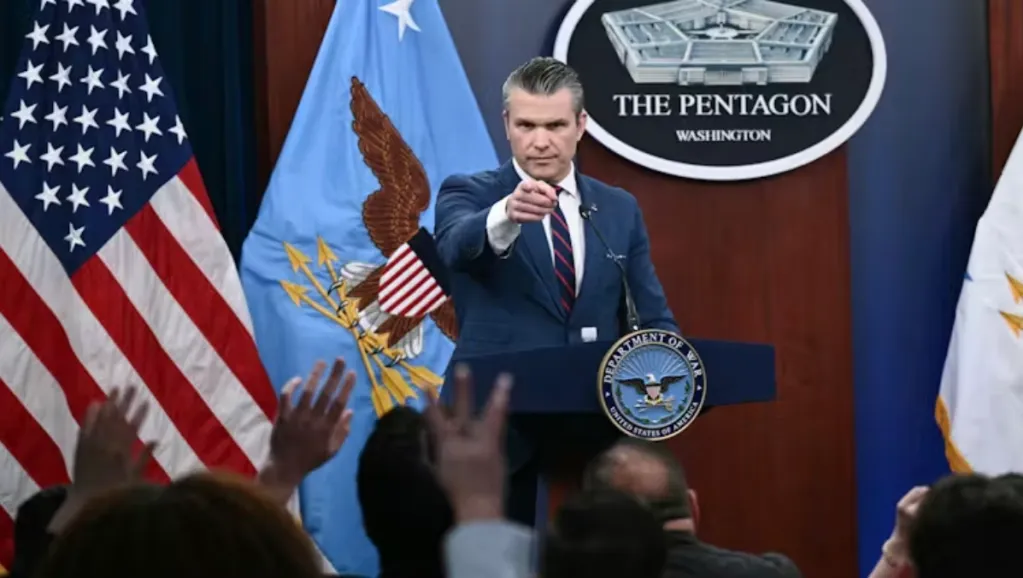
Hegseth's war rhetoric on Iran – The professional and thoughtful approach to military strategy by former US Secretary of Defense James Mattis stands in stark contrast to the harsh statements, dubbed “kill talks,” made by Fox News commentator Pete Hegseth regarding Iran. Experts evaluate Hegseth's rhetoric as “childish bravado” and note the potential dangers it could create for international relations.
Speaking in 2017 about the intensification of US military operations against the “Islamic State” group, Secretary Mattis had pledged to the American public to adhere to “rules of engagement” with the aim of “correctly defining strategy” and “protecting innocent people.” Mattis's professional approach of this kind highlighted the responsibility and ethical principles of military operations.
However, the statements made by Pete Hegseth regarding Iran, dubbed “kill talks,” fundamentally differ from Mattis's approach. His rhetoric contains light and provocative language, without considering the seriousness of military operations and diplomatic subtleties. Such statements, especially when made by high-ranking officials, have the potential to increase international tension.
Hegseth's statements of this type once again prove how important professionalism and a thoughtful approach are in military strategy. A person holding an important position like Secretary of Defense must approach global security issues with utmost responsibility, carefully weighing the repercussions of every word they utter in the region and the world.
Mattis's principle of “protecting the innocent,” demonstrated in the fight against ISIS, emphasizes the importance of military interventions being based not only on strategic goals but also on humanitarian values. Hegseth's harsh rhetoric, however, pushes these values into the background and can damage the credibility of US foreign policy.
Finally, it should be noted that in international relations, especially in situations with the potential for military intervention, the choice of language used carries great importance. While responsible and thoughtful statements help to reduce tension and find diplomatic solutions, provocative and lighthearted talks can further exacerbate the situation.
Reader comments
There are no comments yet. Be the first to comment.
Write a comment