
Alarm Signal in the Global Oil Market: How Did Two Countries Stay Away from War and Sanctions?
Alarm signal in the global oil market - Serious concern prevails in the global oil market. At a time when the world's leading eight oil exporters are facing difficulties due to wars and international sanctions, two countries have come into particular focus. These states continue to contribute to market stability without being affected by global tensions.
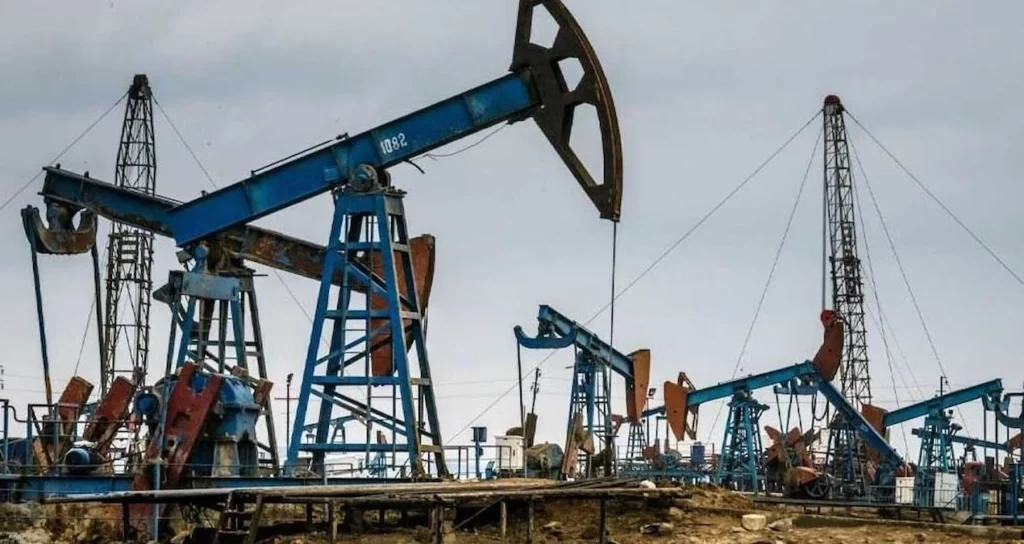
These two countries have not been harmed by wars or tensions in strategic sea passages like the Strait of Hormuz. Their oil exports continue uninterrupted, ensuring a stable supply of oil to world markets. This situation is particularly noteworthy at a time when most major exporters are struggling with various challenges.
International analysts are investigating the main reasons for these countries' resilience. Their internal stability, robust economic policies, and diversified export routes give them a significant advantage in the prevailing uncertainty in oil markets. These factors reaffirm their strategic position and crucial role in global energy security.
Many oil-producing countries are directly or indirectly affected by political and military conflicts in the region and the world. Sanctions, infrastructure damage, and supply chain disruptions severely restrict oil flow. However, these two countries have managed to stay clear of such obstacles.
The stable market position of these countries can have a somewhat positive impact on oil price dynamics. In times of instability, the presence of reliable suppliers is of great importance for consumer countries and can mitigate potential shocks for the global economy.
Experts predict that these countries will continue to be key players in oil markets in the future. Their energy policies and international relations demonstrate how they adapt to changes in the global energy map. This can also serve as an example for other countries.
This trend observed in the oil market once again confirms the need to review energy policies and diversify risks. The sustainability of global supply chains, international cooperation, and geopolitical stability are key factors in preventing such crises.
Reader comments
There are no comments yet. Be the first to comment.
Write a comment