
Revival of Frozen Brain Cells: A Major Breakthrough in Science
Frozen brain cells brought back to life - Scientists have achieved a major success in the world of science by partially restoring the activity of deeply frozen brain cells. This significant discovery opens new avenues in the field of reactivating long-frozen tissues and promises extremely hopeful prospects for future medical applications.
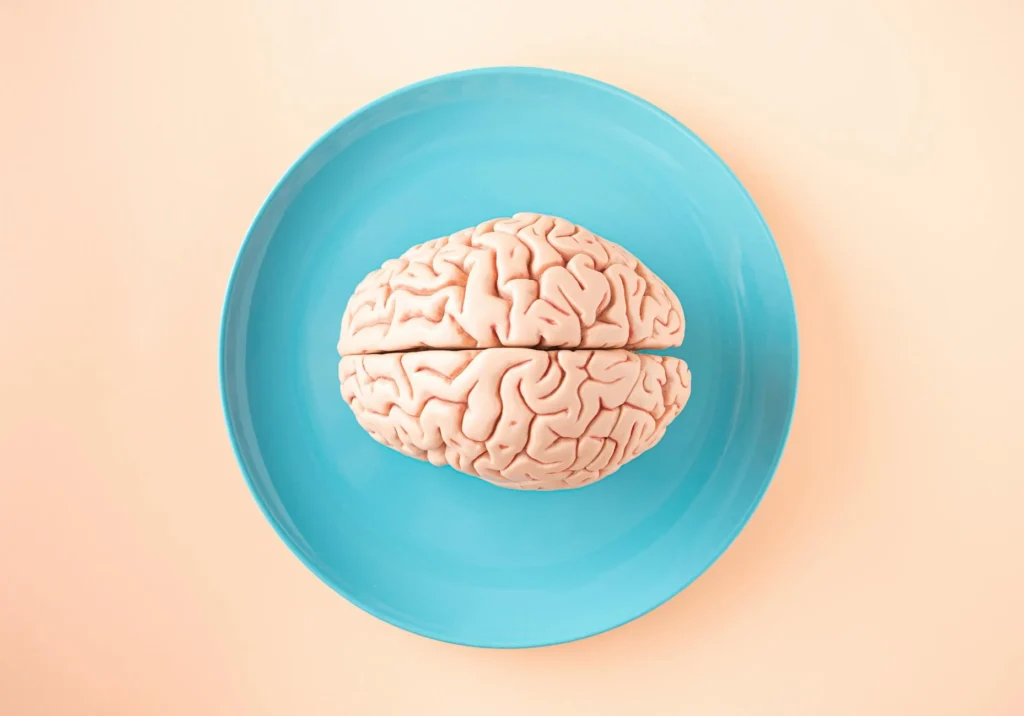
Researchers have succeeded in restoring the activity of mouse brain tissues after freezing them at extremely low temperatures. This process was carried out by preserving the structural integrity of the cells while reactivating their vital functions. This was a step previously considered almost impossible.
The partially restored activity demonstrates that the cells are not entirely "dead," but rather can be reactivated under certain conditions. This result is of particular importance for specialists working in cryogenics and organ transplantation, as it could lay the groundwork for developing new strategies for longer-term preservation of human organs and tissues in the future.
This scientific breakthrough will also help to understand more deeply how brain activity works and how it is regulated at the cellular level. This could lead to the emergence of new treatment methods for neurodegenerative diseases and the recovery of brain injuries.
Although the research is still in its early stages, the results obtained encourage scientists to be optimistic. Further research is required to achieve similar results on human brain tissues, but this discovery is an extremely important step for the future of medicine.
Reader comments
There are no comments yet. Be the first to comment.
Write a comment