
Trump Reacts Strongly to Iran's New Leader Mojtaba Khamenei: "I am not pleased"
Donald Trump strongly objected to - U.S. President Donald Trump has expressed his "displeasure" with the appointment of Mojtaba Khamenei as Iran's future leader. This statement holds particular significance against the backdrop of already strained relations between the two countries and is interpreted as the beginning of a new era in regional politics.
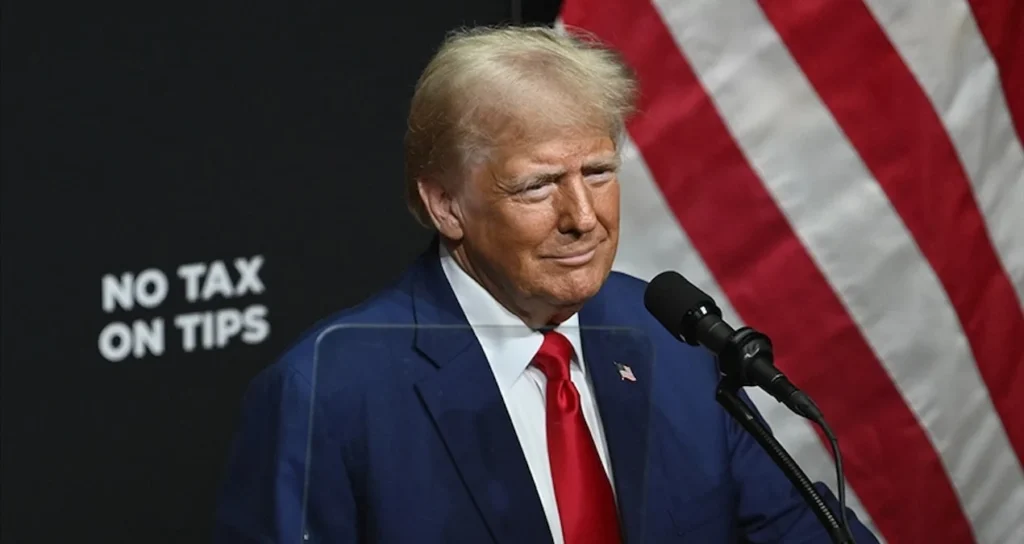
President Trump voiced these thoughts during a press briefing at the White House. He revealed his stance regarding the nomination of Mojtaba Khamenei, son of Iran's current supreme religious leader Ayatollah Ali Khamenei, as a potential successor. This displeasure from the U.S. leader once again demonstrates Washington's firm stance against Tehran's internal political processes.
It should be recalled that relations between Washington and Tehran have become extremely tense since the U.S. withdrew from the nuclear deal. The Trump administration has imposed harsh sanctions against Iran, attempting to weaken Tehran's influence in the region. In such a situation, the selection of a new leader and the U.S. reaction to it hold particular importance.
Rumors about Mojtaba Khamenei becoming Iran's future supreme leader have been on the agenda for a long time. His candidacy for this position reflects the internal dynamics of the country's political and religious elite. However, Trump's direct intervention in this matter will lead to serious international discussions.
Analysts predict that Trump's statement could further exacerbate U.S.-Iran relations. Such open interference by Washington in Iran's internal affairs will be perceived by Tehran as "foreign pressure" and could lead to retaliatory measures.
This event has the potential to further increase tensions in the Middle East. The U.S.'s firm stance against Iran's new leader raises the risk of destabilization in the region and causes concern in the international community.
Reader comments
There are no comments yet. Be the first to comment.
Write a comment