
China's Zero-Tariff Agreement with Africa: Prospects and Threats
In February 2026, President Xi Jinping of the People's Republic of China put forward a significant economic initiative, announcing that zero tariffs would be applied to 53 African countries starting from May 1. This decision covers the entire African continent, with the exception of Eswatini; Eswatini, the only African state supporting Taiwan, remains outside this agreement.
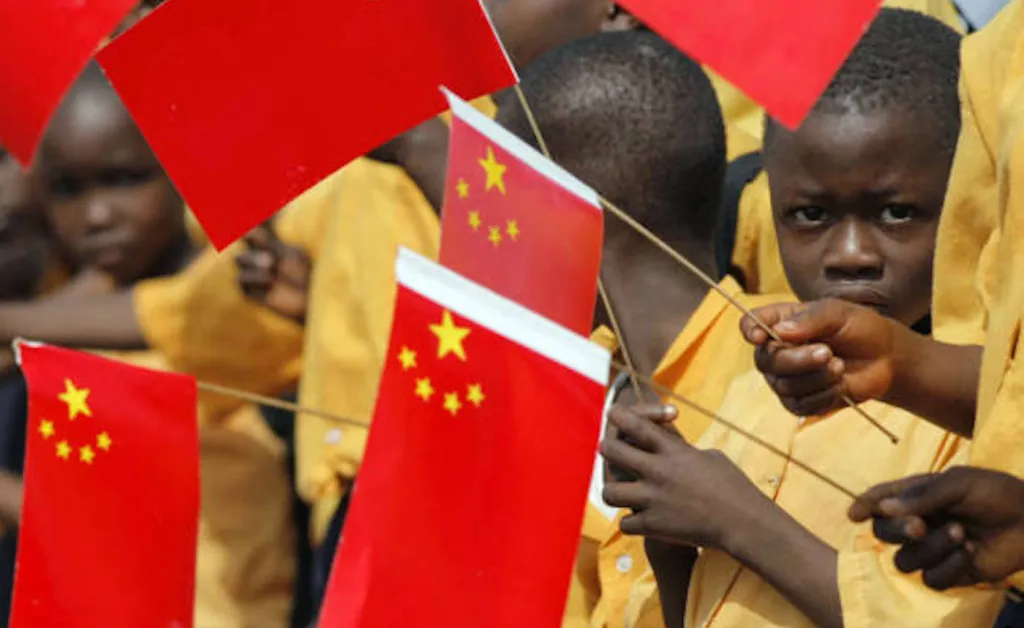
This initiative coincides with a period of rapid expansion in trade relations between China and Africa. In 2025, the trade turnover between the two sides reached 348 billion US dollars, representing a 17.7% increase compared to 2024.
In trade flows, China's exports to Africa hold a dominant position. Last year, the volume of China's exports to African countries amounted to 225 billion dollars, constituting a significant portion of the total trade turnover.
The zero-tariff policy will open up new economic prospects for African countries. This can facilitate easier access for African products to the Chinese market, revitalizing local industrial and agricultural sectors. At the same time, this initiative can make a significant contribution to the economic development and poverty reduction in African countries.
However, this agreement also carries certain risks. In a situation where Chinese exports already dominate, zero tariffs could further intensify competition in African domestic markets, putting local producers in a difficult position and limiting their activities. This, in turn, could further strengthen Africa's economic dependence on China.
Experts emphasize that the long-term positive outcomes of this agreement will depend on African countries' ability to protect and diversify their industries. A balanced approach is necessary to both benefit from trade with China and ensure the sustainability of the domestic economy.
Reader comments
There are no comments yet. Be the first to comment.
Write a comment