
Apple's New MacBook Neo Model: How Will the Perfection Offered for 699 Euros Stand the Test of Time?
Apple's New MacBook Neo for 699 - Apple has brought another innovation to the world of technology: the new MacBook Neo model, offered at a price of 699 euros. According to initial impressions and user comments, this entry-level laptop generates great interest with its high performance and familiar design. Many even describe it as "almost flawless."
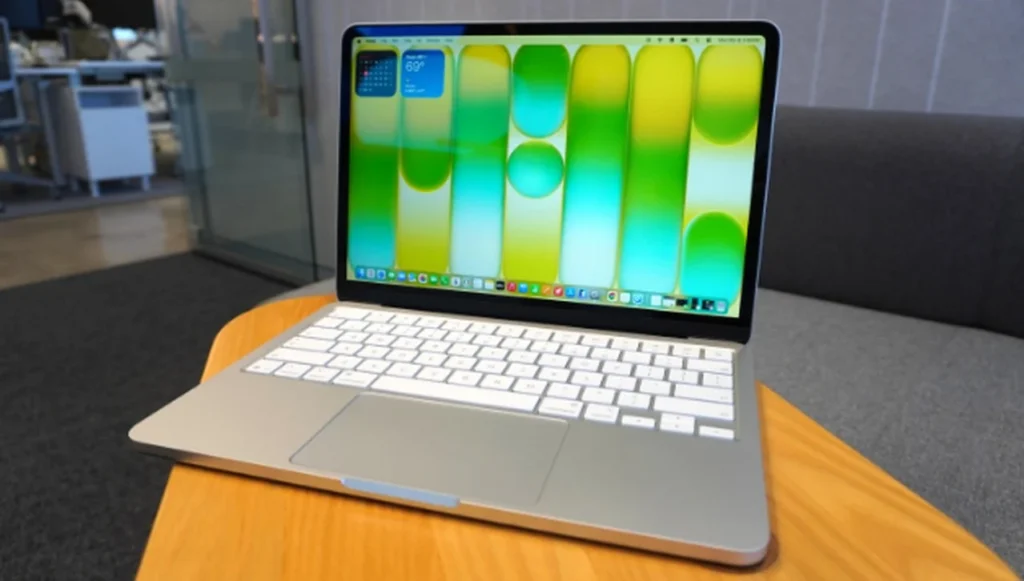
The 13-inch MacBook Neo bears a resemblance to previous Apple models in appearance, indicating the brand's successful continuation of its consistent design philosophy. It creates the impression of a fast and reliable device for both daily tasks and simple multimedia operations. The device's high responsiveness significantly enhances the user experience.
However, against the backdrop of this attractive presentation, an important question arises: Despite its 699 euro price, how will the new MacBook Neo be able to maintain its performance and value after a few years? As an entry-level device, its long-term durability and resistance to obsolescence remain a serious topic of discussion.
The lifespan of technological products, especially laptops, is determined by factors such as declining battery performance over time, compatibility with operating system updates, and overall speed. While users expect high quality and longevity from Apple, it is interesting to see to what extent these expectations will be met in this price category.
Analysts and technology experts, while confirming the MacBook Neo's high performance in its initial years, express some doubts about its condition after 3-5 years. This is a significant decision factor for potential buyers: to acquire a perfect device at an affordable price now, or to opt for more expensive models for a long-term investment?
In conclusion, Apple's new MacBook Neo model is an attractive offer and could create strong competition in the entry-level laptop market. However, its true test lies in how it will withstand the challenges of time and whether it can meet users' demands years later. The answer to this question will only reveal itself in the future.
Reader comments
There are no comments yet. Be the first to comment.
Write a comment