Africa's LNG exports are becoming an alternative to the Strait of Hormuz for Asia
Tensions in the Strait of Hormuz and military clashes earlier in the year caused the disruption of approximately 20 percent of global liquefied natural gas (LNG) supplies. This situation has left Asian markets, seeking new ways to protect their energy security, facing serious challenges.
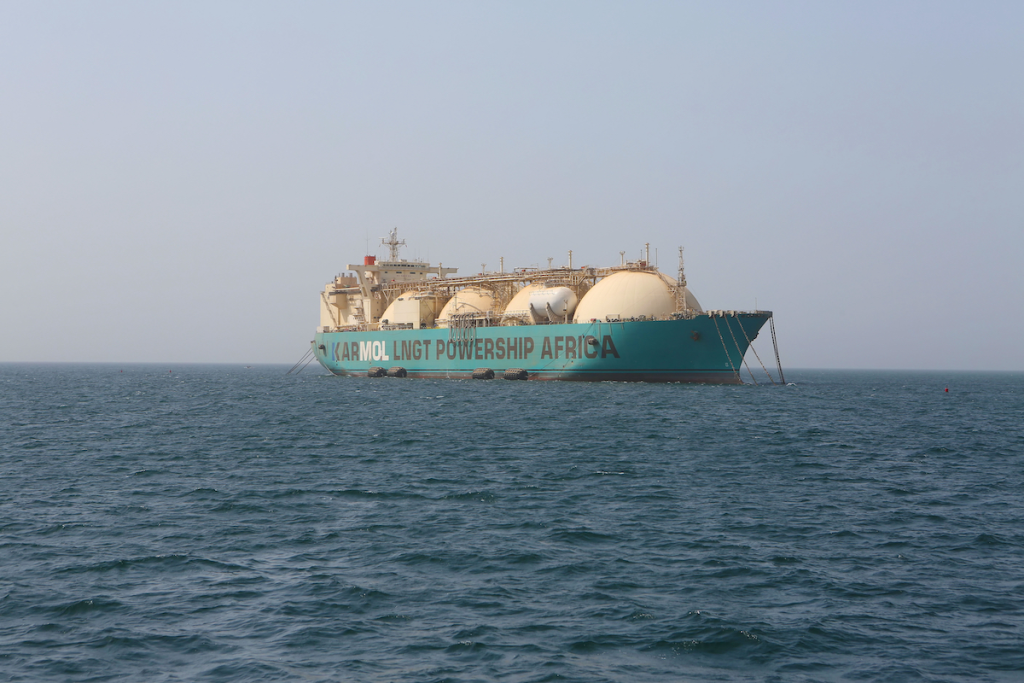
The Asian continent imports about 90 percent of the LNG shipped through the Strait of Hormuz worldwide. The possibility of the strait closing has increased the threat of energy shortages in the region and limited the export potential of Gulf countries. Amidst such a crisis, the African continent is coming into focus as a strategically important new energy source for Asia.
The development of LNG infrastructure in African countries, particularly in the West and East African regions, is impacting the balance in the global energy market. New projects and increased production volumes create broad opportunities for Asian states to reduce their dependence on the Middle East route.
According to experts, delivering African gas to Asian markets not only diversifies the supply chain but also has a positive impact on the stabilization of energy prices. This trend indicates that Africa's role in the global energy security system will strengthen even further in the future.
Reader comments
There are no comments yet. Be the first to comment.
Write a comment