
US and Israel's Enemy is the Same, Strategies are Different: Tensions in the Middle East
US and Israel's Approach to - US and Israel in the Middle East - Against the backdrop of escalating conflicts in the Persian Gulf, the war in the region is often portrayed as a unified campaign against Iran. However, the truth is more complex than that. While both the United States and Israel perceive Iran as a dangerous adversary, their views differ on who this threat is directed at, how, and for what purpose.
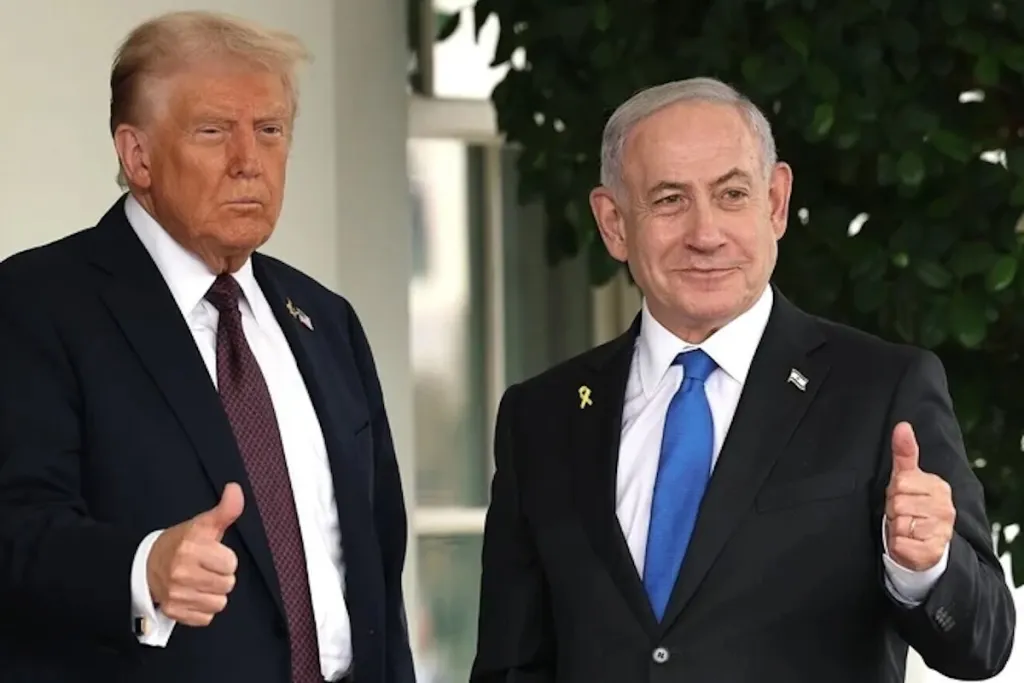
The complex dynamics of the Middle East are also evident in this matter. While the US and Israel view Iran as a common enemy, they pursue different strategies in their struggle with Tehran. These differences stem from their national interests, regional priorities, and future goals.
While the US approach primarily focuses on diplomatic pressure, sanctions, and ensuring regional stability, Israel may prefer more direct military interventions. These strategic differences highlight how challenging coordination between allies can be at a time of escalating tensions in the region.
As concerns about the escalation of the conflict grow, the subtle nuances between Washington's and Tel Aviv's positions on Iran become more pronounced. This is not merely a struggle against a common enemy, but a complex geopolitical chess game where each side seeks to advance its own political and security interests.
In conclusion, to understand the tensions in the Persian Gulf and Iran's role in the region, it is essential to consider the differences between the strategies of the US and Israel. These differences are one of the key factors determining the paths to achieving peace and stability in the region.
Reader comments
There are no comments yet. Be the first to comment.
Write a comment