
US-Israel-Iran Tensions Raise Oil Prices to $120: A Critical Situation for Asia
War between the US Israel - Between the US, Israel, and Iran - Recently, oil prices have fluctuated significantly, exceeding $119 per barrel before dropping to approximately $100, demonstrating sharp volatility. This volatility is directly linked to the uncertainties created by increasing military tensions between the US, Israel, and Iran.
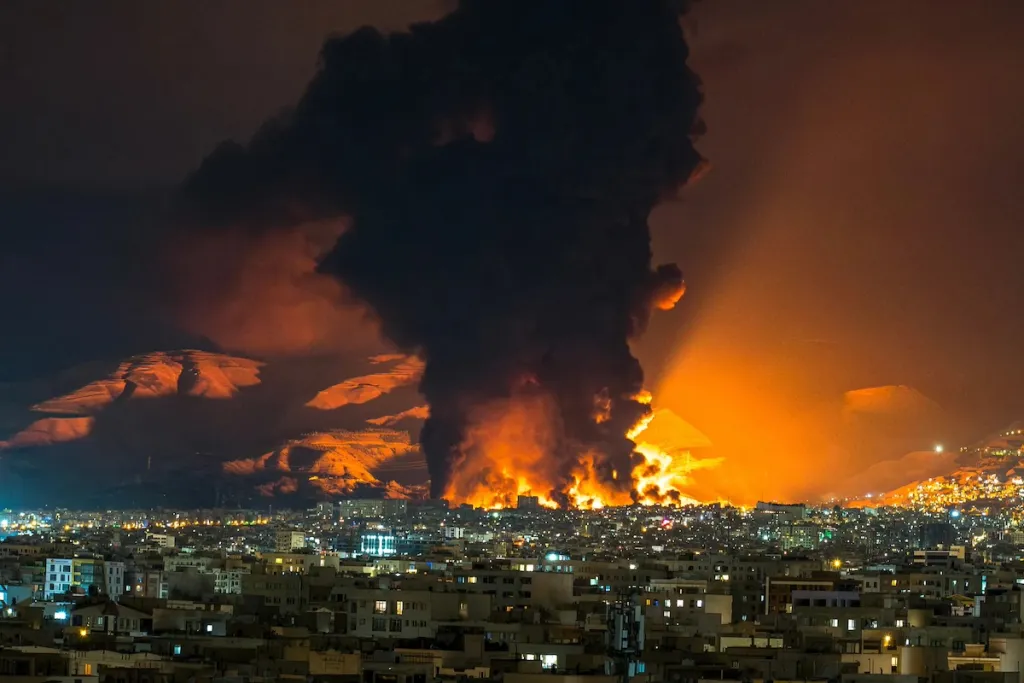
Potential disruptions in energy supply and long-term transportation difficulties are among the main risks that are often underestimated in markets but seriously concern investors. These factors are cited as the primary reasons for the rise in oil prices.
The main region directly affected by these tensions is Asia. For Asian countries, which are heavily dependent on energy imports, such a rise in oil prices could deal a severe blow to their economies.
Investors in global markets are re-evaluating the risks associated with the escalation of war and its potential impacts on energy supply. This situation leads to unpredictable and sharp changes in energy markets.
The possibility of long-term transportation disruptions and reduced supply raises serious concerns for the global economy, particularly the Asian region. The region's industrial and consumer sectors may face pressure from rising energy costs.
Political tensions and ongoing military operations in the Middle East further increase instability in oil markets, posing a serious threat to the stability of the world economy. This situation negatively impacts not only energy prices but also inflation and economic growth forecasts.
Reader comments
There are no comments yet. Be the first to comment.
Write a comment