
Malbork Castle: The World's Largest Medieval Wonder with its 21-Hectare Area
Malbork Castle covering an area - Malbork, covering an area of 21 hectares - Malbork Castle, located in the northern part of Poland, is considered the largest castle complex in the world with its vast 21-hectare area. This magnificent structure, as one of the most brilliant examples of medieval architecture and engineering, holds a special place among Europe's most impressive historical monuments.
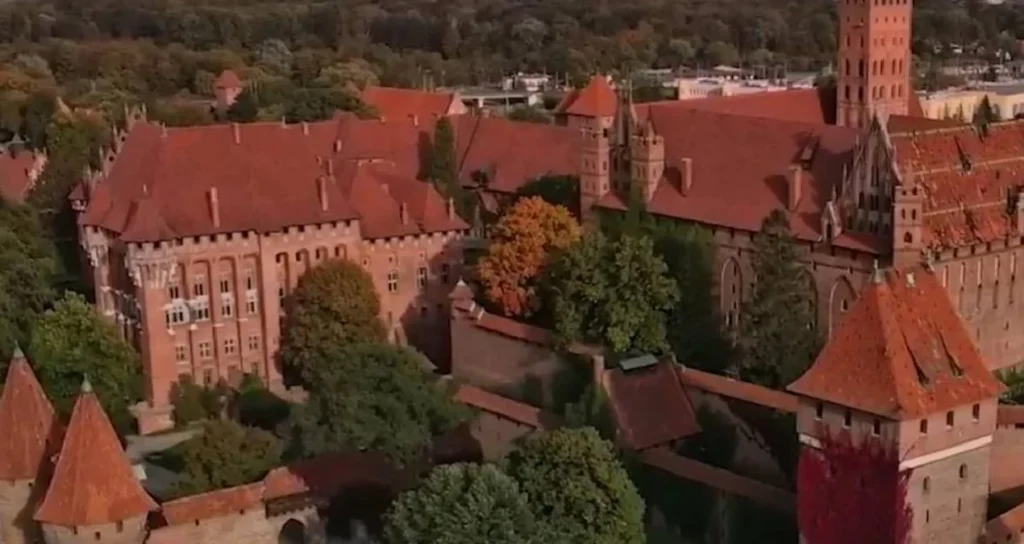
The construction of Malbork Castle was initiated by the Teutonic Order in the 14th century. Initially serving as the main residence of the Order, the castle gradually transformed into a large monastery and defensive complex. Its enormous size and strategic location played an invaluable role in the political and military life of the region during the medieval period.
The architectural structure of the castle consists of three main parts: the High Castle, the Middle Castle, and the Lower Castle. These parts are interconnected, forming a complex and effective defensive system. Thanks to its thick walls, sturdy towers, and deep moats, Malbork was almost an impregnable fortress.
Malbork Castle has also been inscribed on UNESCO's World Heritage List. This status confirms its universal significance for humanity and the necessity of its preservation for future generations. Attracting millions of tourists every year, the castle offers visitors the opportunity to experience the unique atmosphere of medieval Europe.
This historical monument served not only as a military fortification but also as the center of the cultural and religious life of the Teutonic Knights. Within it, there are churches, spacious refectories, dormitories, and other functional buildings that clearly reflect the daily lifestyle of that era.
The restoration and preservation of the castle is a complex process that has been ongoing for many years. Despite suffering significant damage during World War II, Malbork has been able to restore its former grandeur thanks to the joint efforts of the Polish government and international organizations. Today, the castle stands as a living witness to the past, a valuable cultural heritage passed down to future generations.
Reader comments
There are no comments yet. Be the first to comment.
Write a comment